

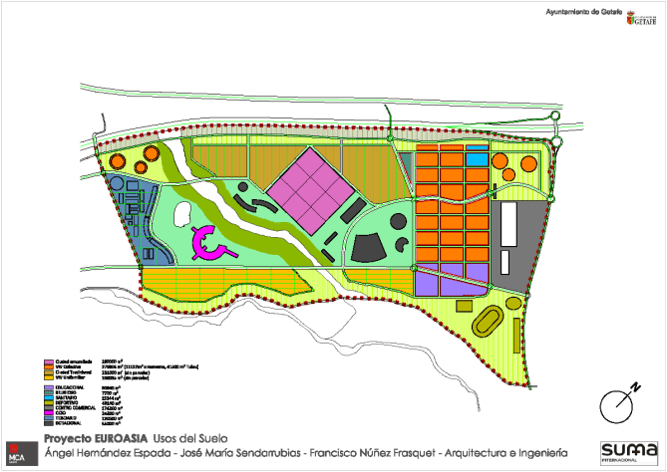
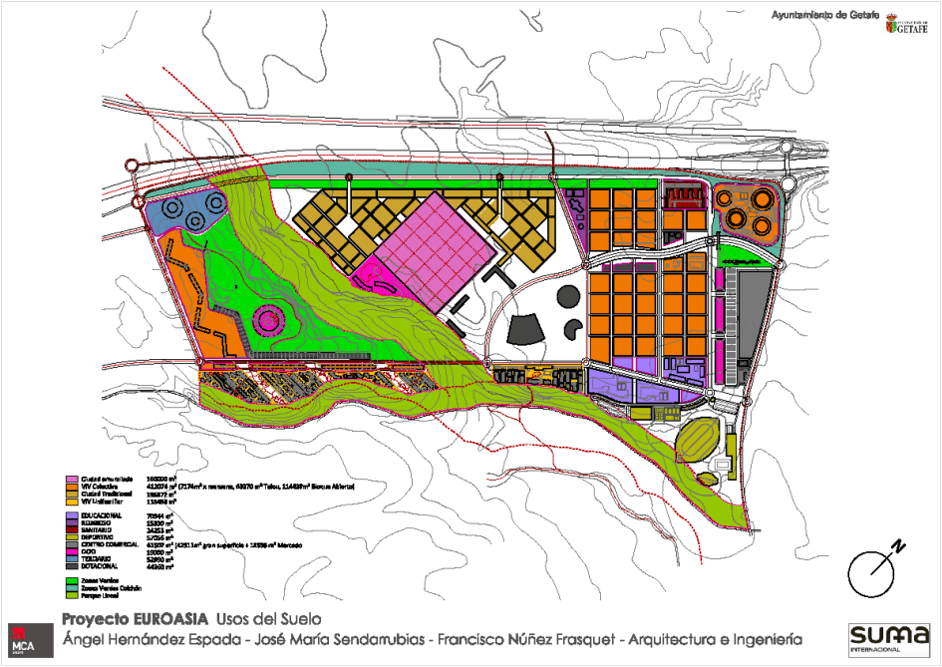
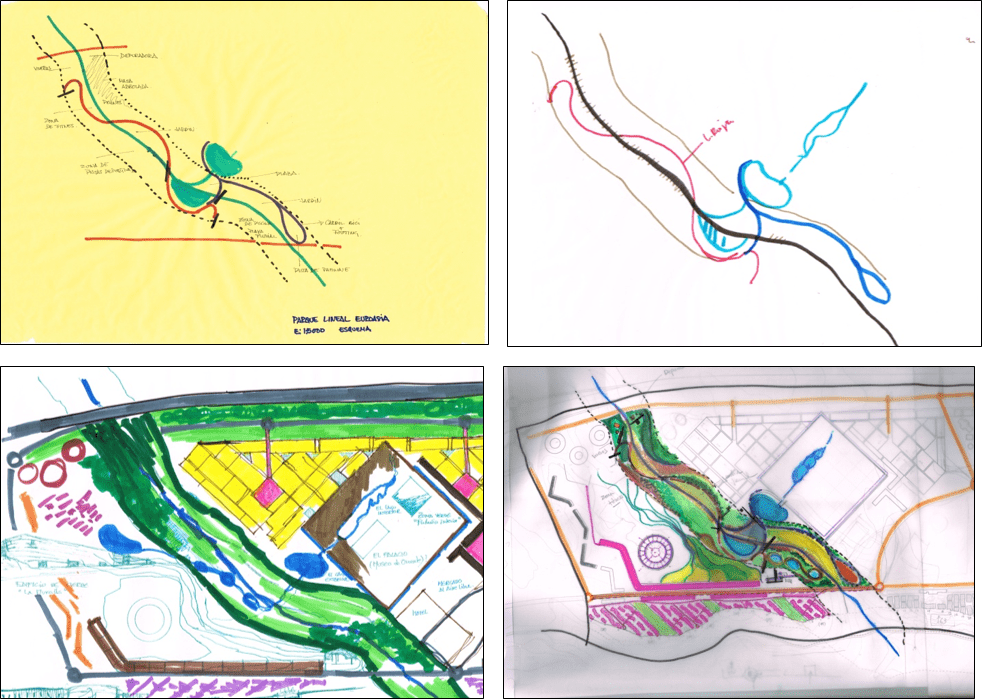
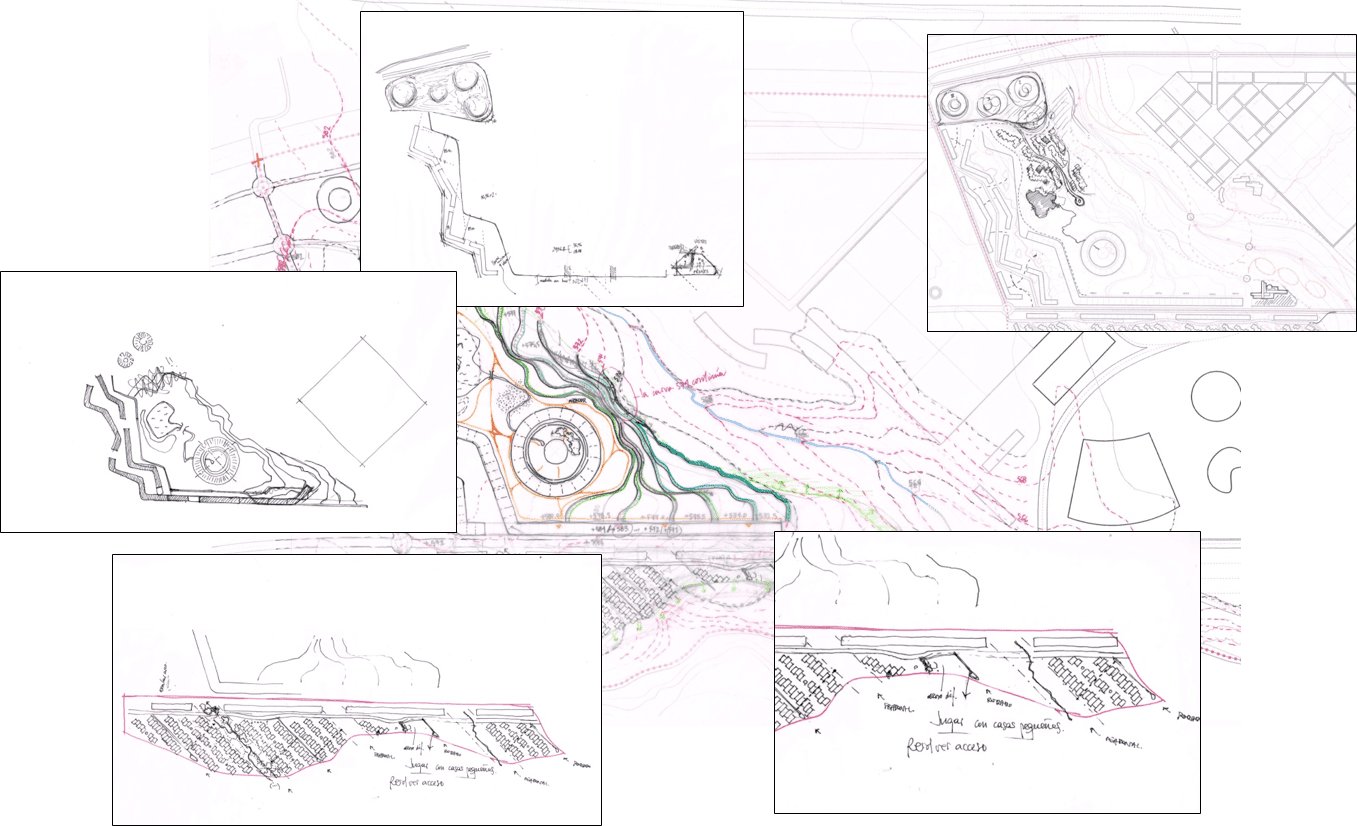
Datos
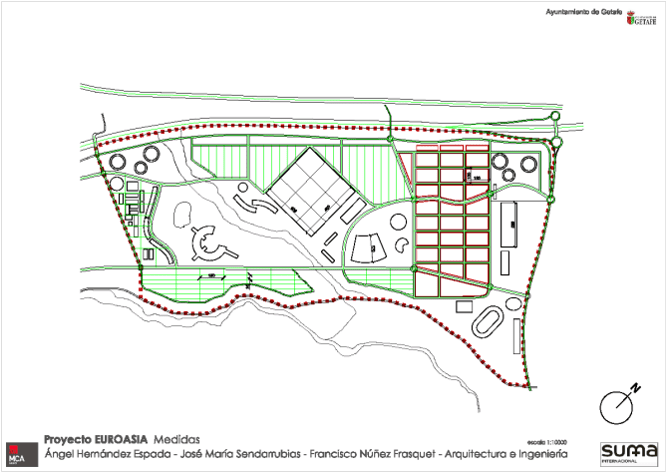
| TYPES OF BUILDINGS | SURFACE M2 |
| LAND AREA | 3.125.635 m2 |
| TOTAL BUILT-UP AREA | 912.436 m2 |
| ROAD SURFACE | 537.807 m2 |
| AREA OF GREEN SPACES | 624.406 m2 |
| NUMBER OF DWELLINGS | 5.100 Ut |
| NUMBER OF HOTEL VACANCIES | 6.000 Ut |
Architects Editors:
José M Sendarrubias Redondo (Arch. Editor)
Ángel Hernández Espada (Arch. Editor)
Design Team:
Francisco Núñez Frasquet (Civil Engineer)
Carlos Ignacio Mirón Corona (Coordinator)
Félix Bodoque Abarca (Architect)
María Manresa García (Architect)
Raquel Osa Fernández (Architect)
Víctor Garzón Fernández (Architect)
Gema Naharro Rodríguez (Architect)
Paz Hernández de Briones (Architect)
Almudena Fernández de Gamarra (Architect)
Luis Larrauri Rodriguez de Viguri (Architect)
Magdalena Polvorinos Caeiro (Architect)
Taoues Laimene (Secretary and Administration)
Collaborating Teams
The VOLTEO team has also collaborated for the architectural firm in the development of the infographics of the proposal, with the following professionals taking part in this project:
Guillermo Gallego Picón
Héctor Romero García
EUROASIA. MADRID
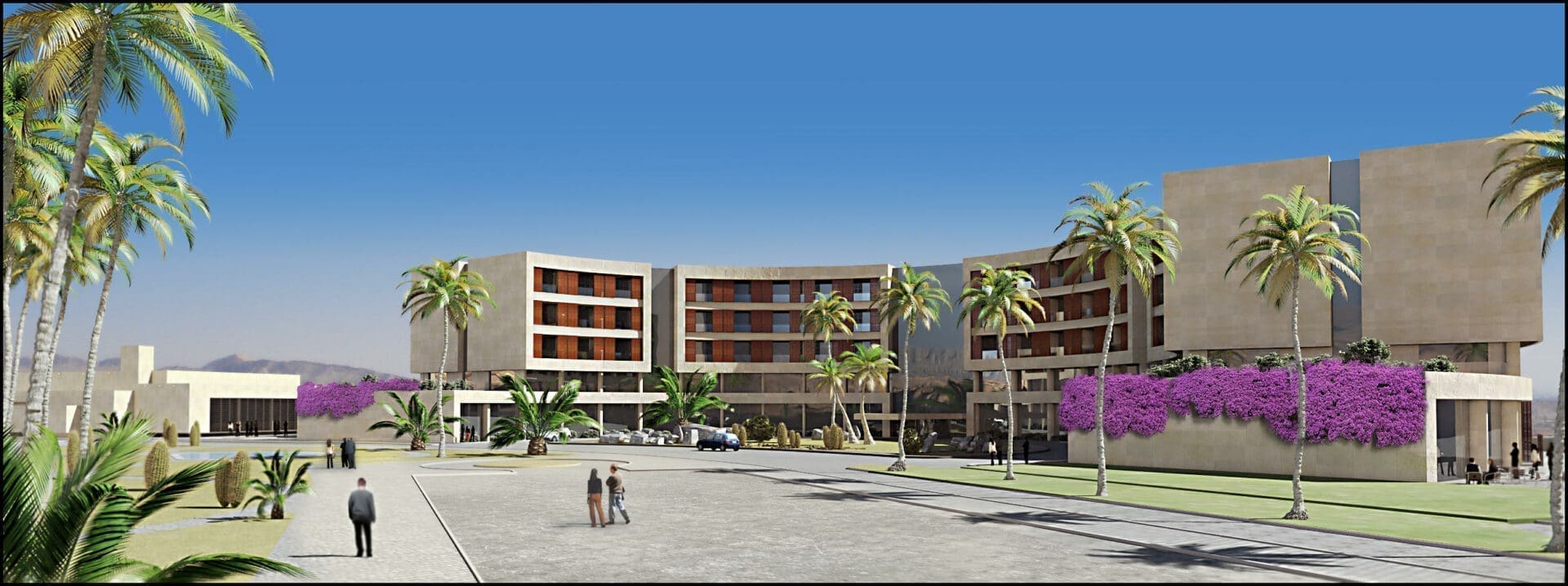
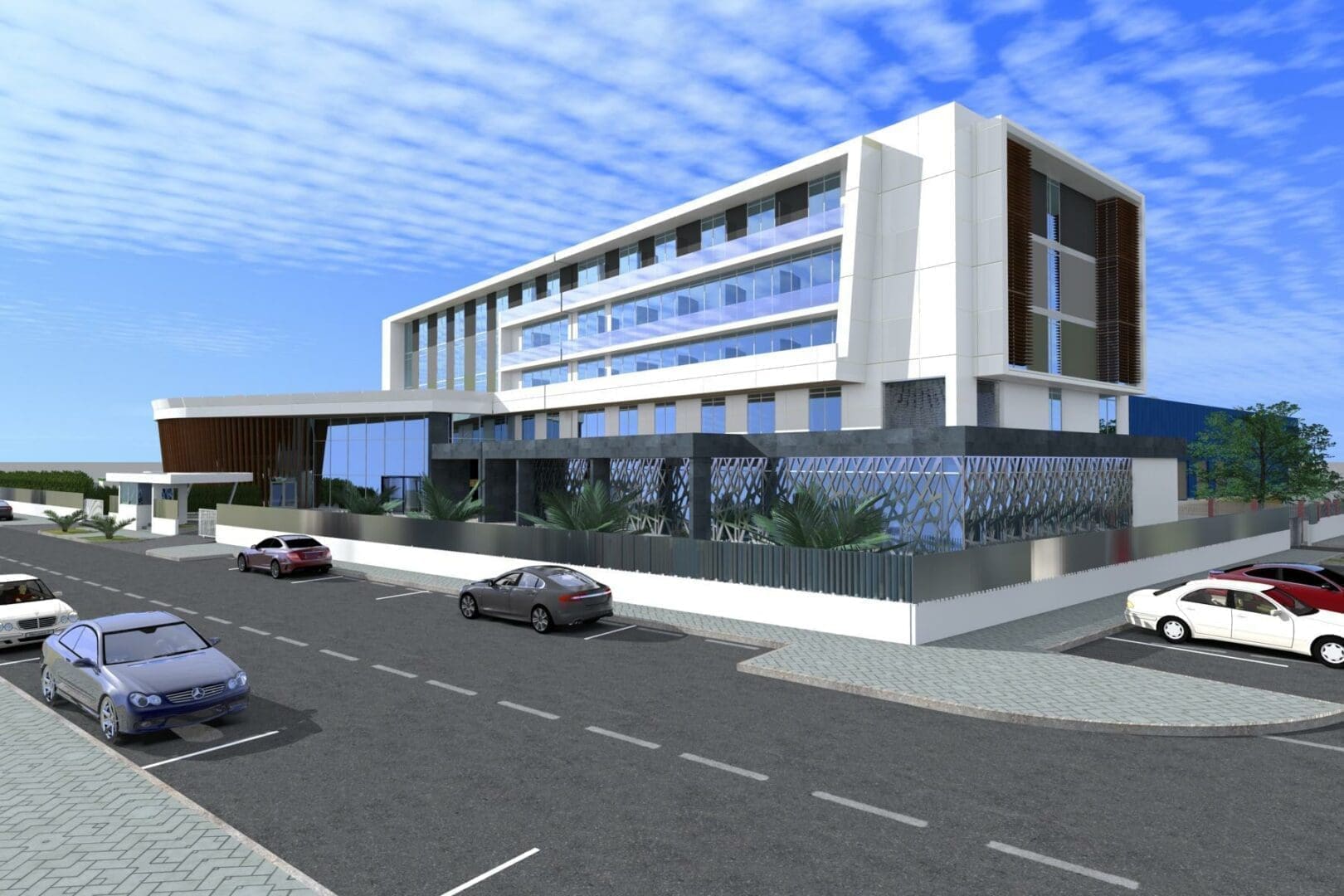
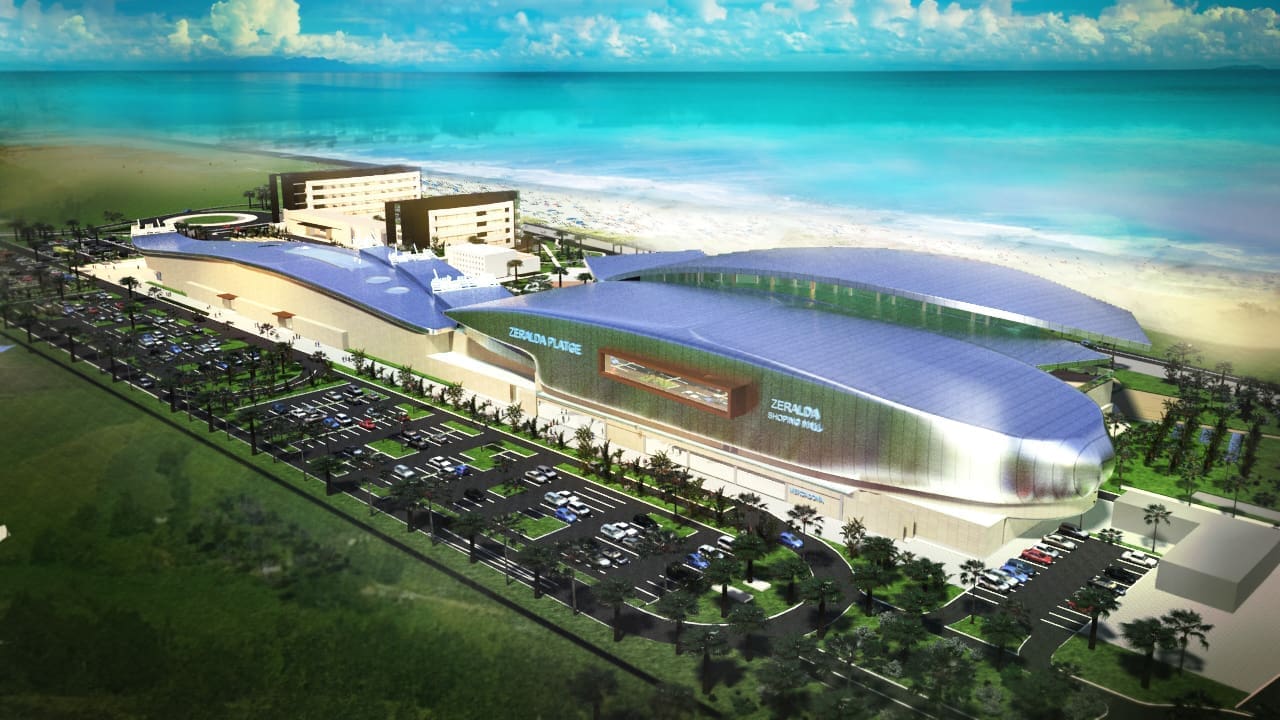
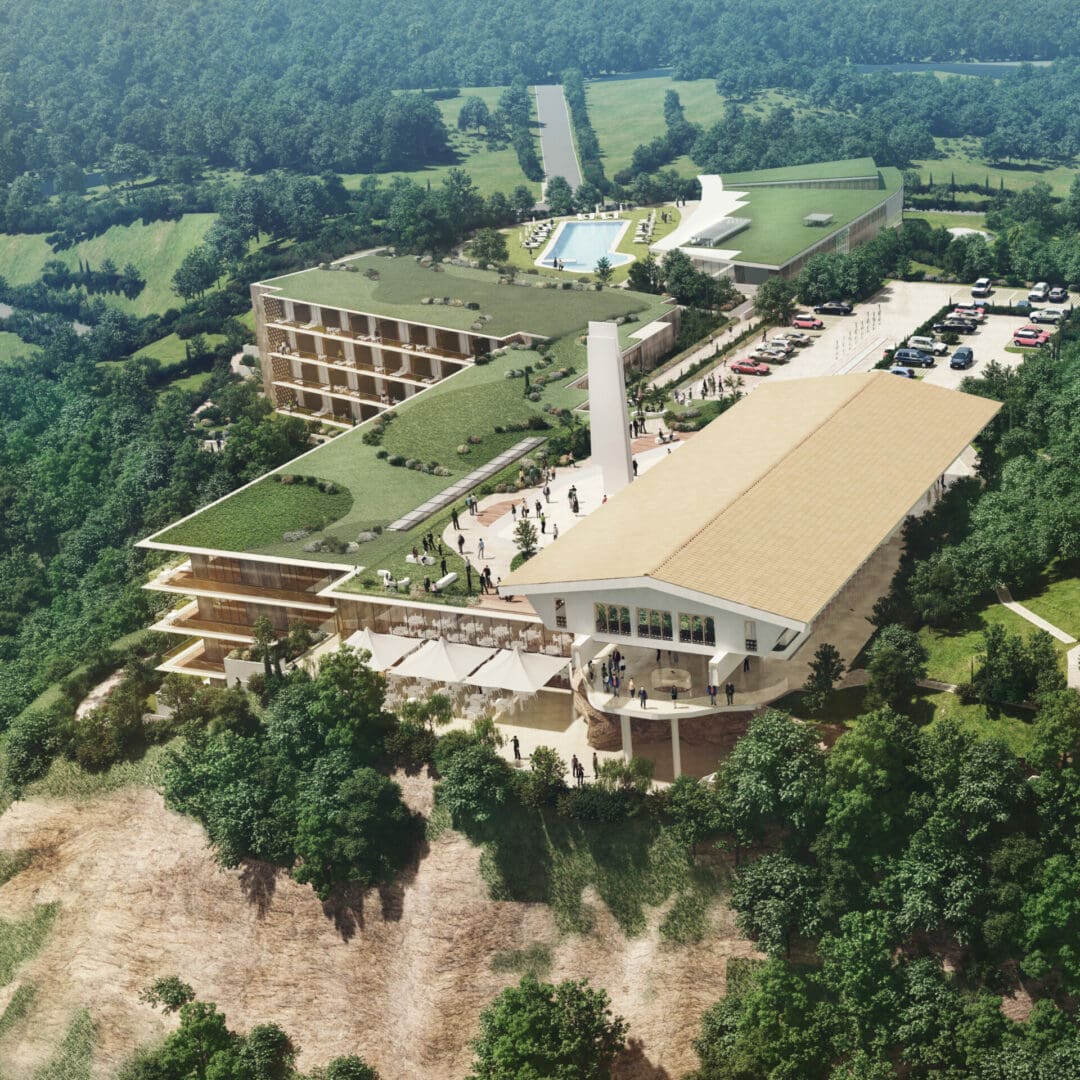
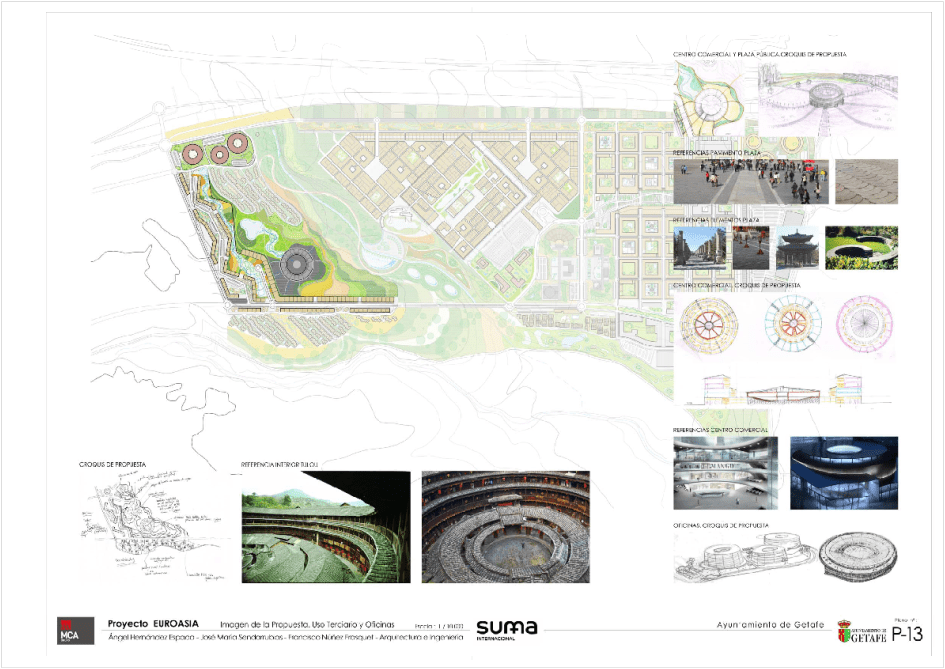
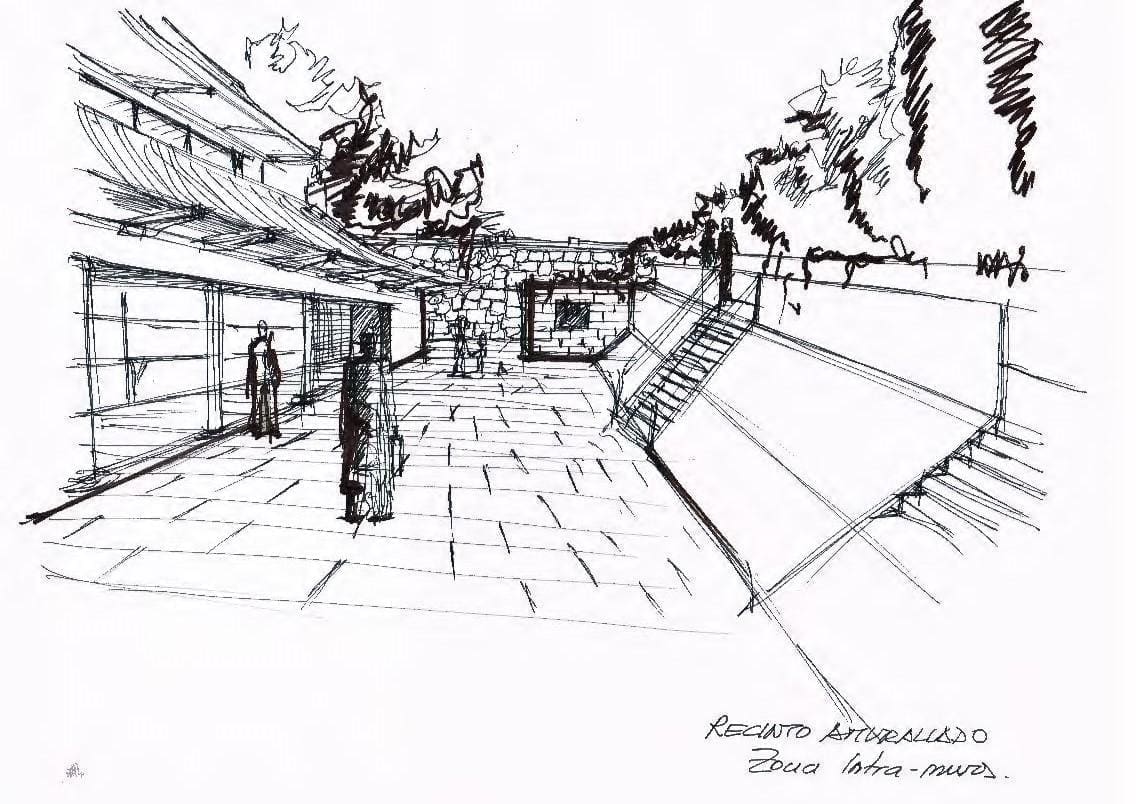
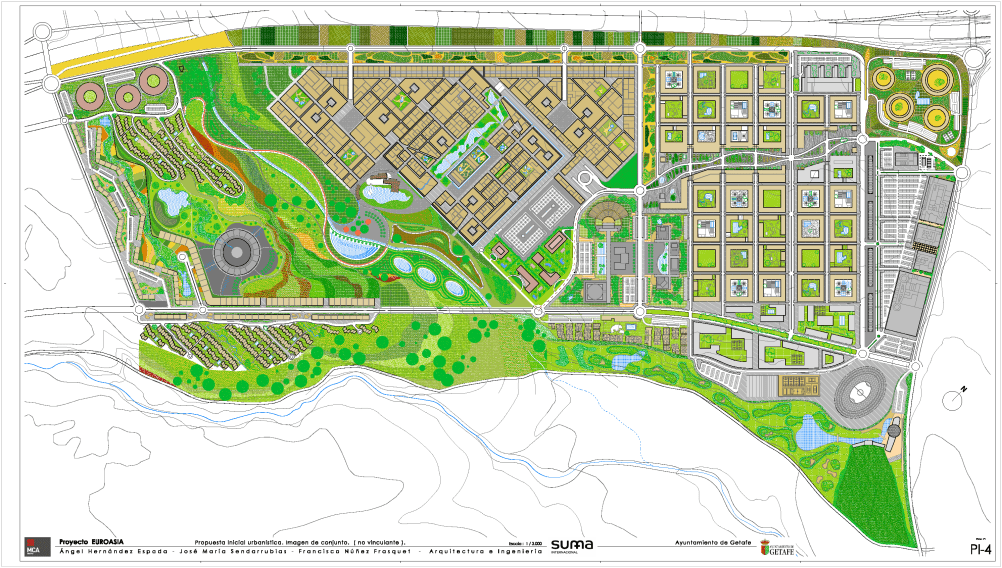
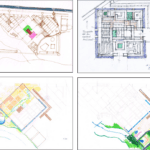
When we were commissioned with this project, our client told us that the idea was to promote the construction of a novel and unique enclave in which the basic elements of an oriental city would be faithfully reproduced in a large municipality on the outskirts of Madrid. This urban landmark (suggestive, compact, dynamic and pluriform) was to be “an ambitious exponent of the culture and the most genuine features shared by those countries leading the contemporary advance of humanity”.
It was an emblematic and singular project for the establishment of an oriental mini-city, which was provisionally called EuroAsia, where “Visitors who come…will learn directly and playfully, both the past and the present and future of their (oriental) culture in all its perspectives and manifestations”. This would also imply a “profound dynamization of the economy and the notoriety of this thriving municipality on the outskirts of Madrid”.
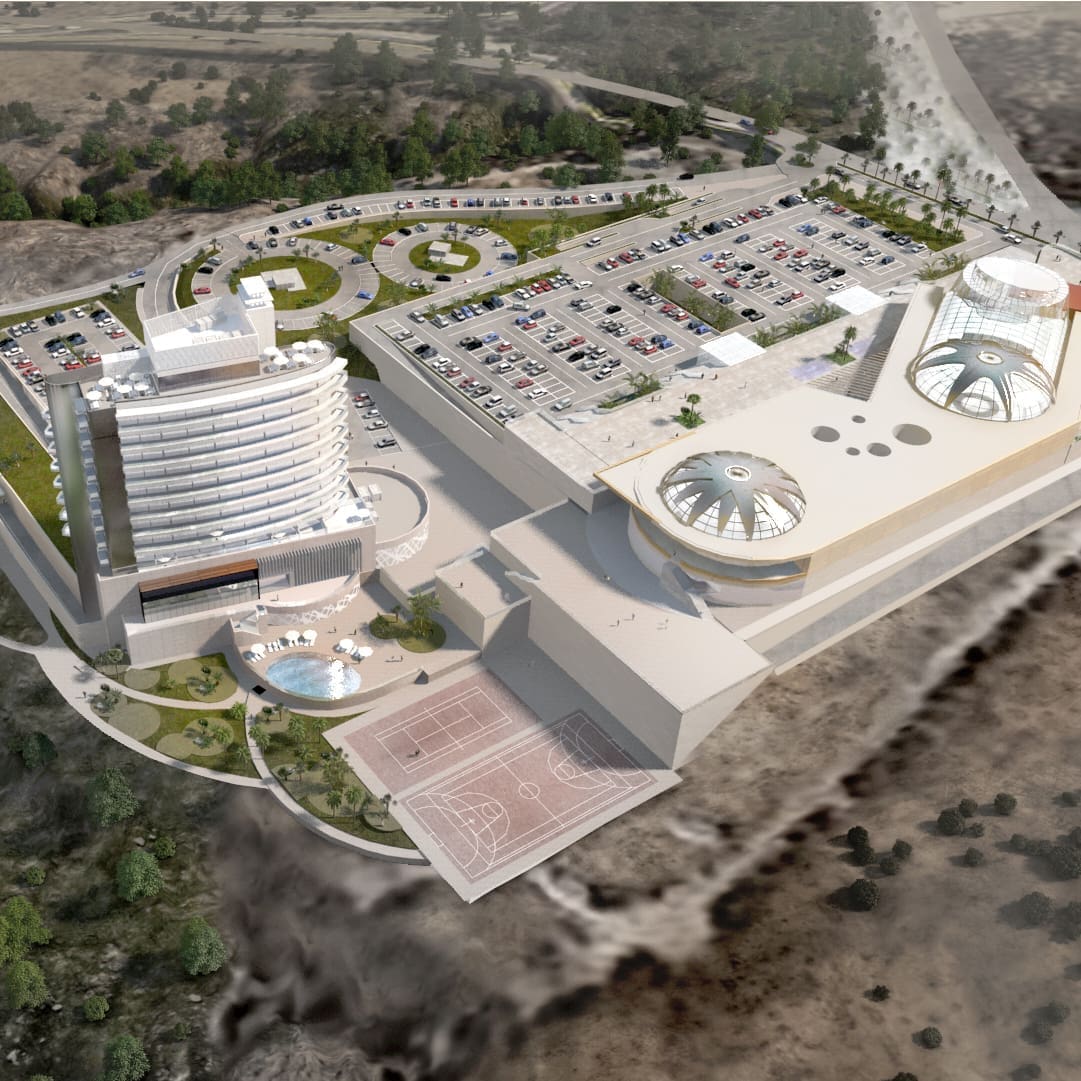
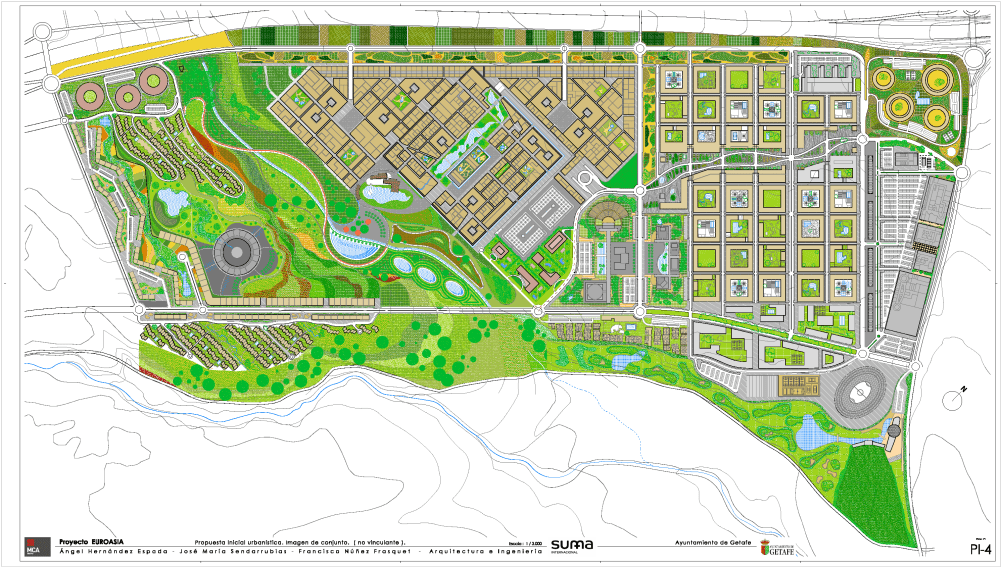
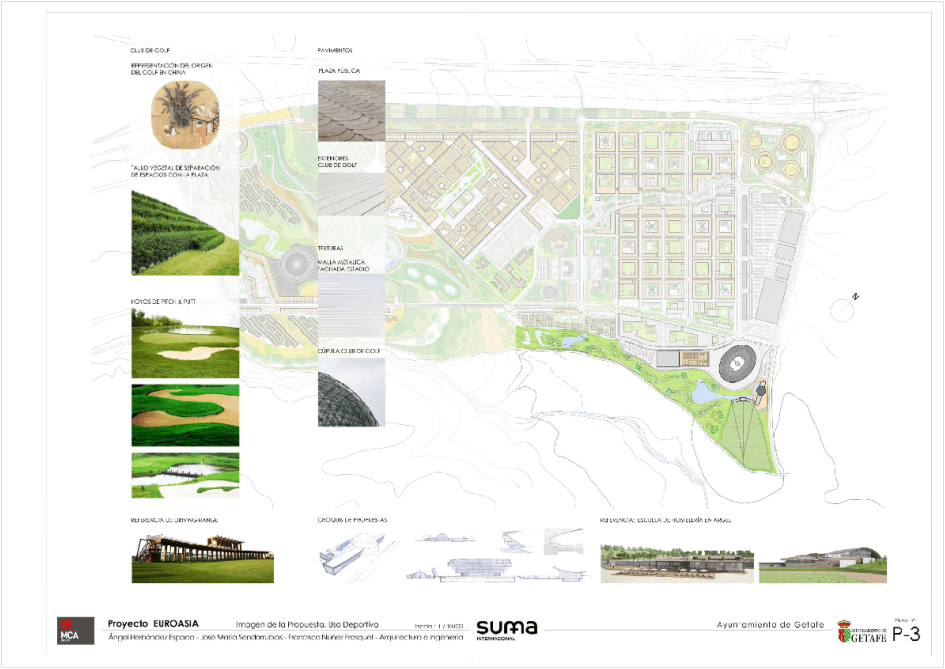
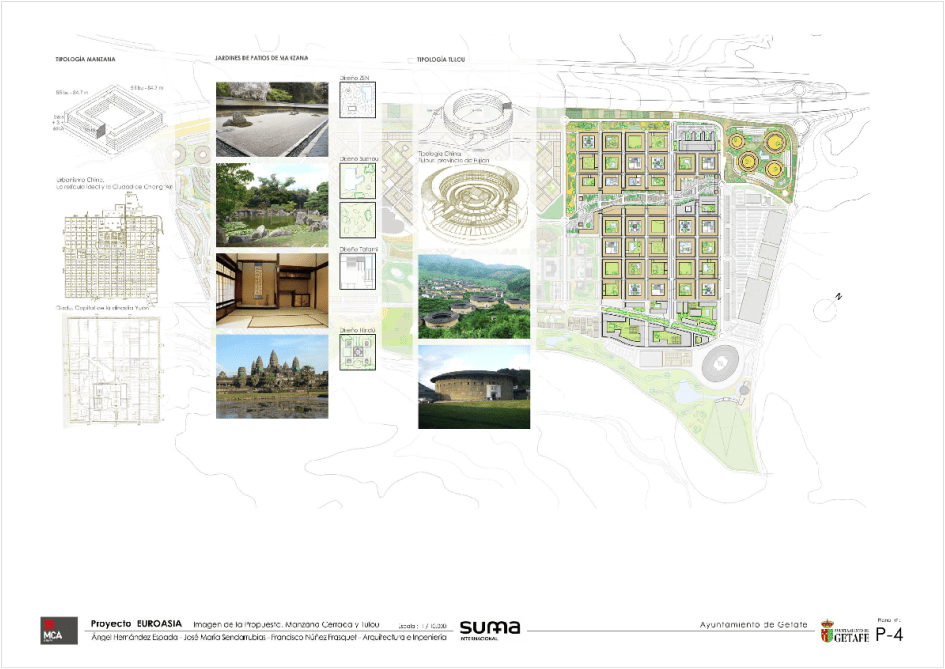
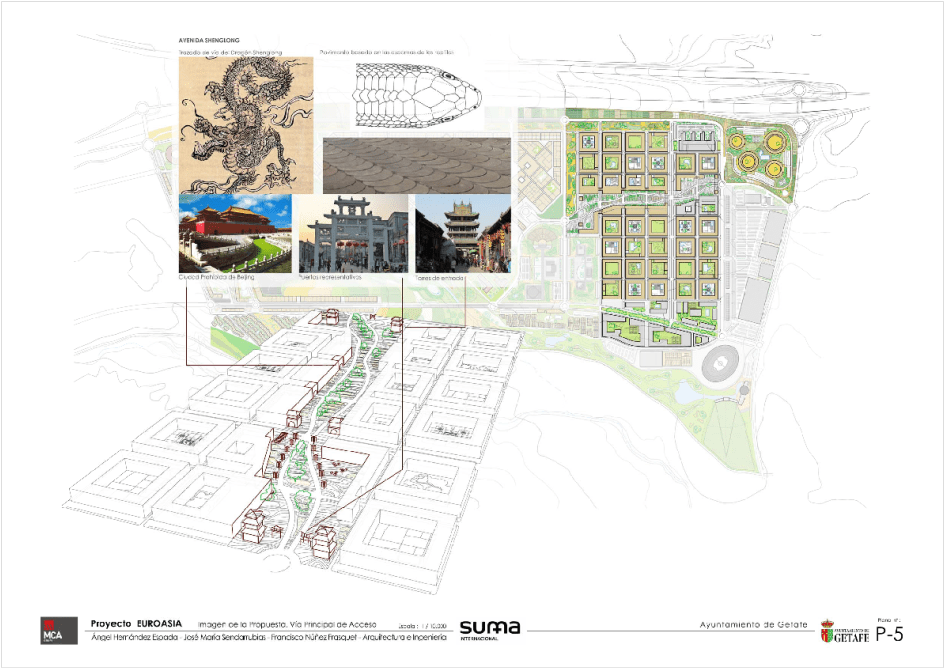
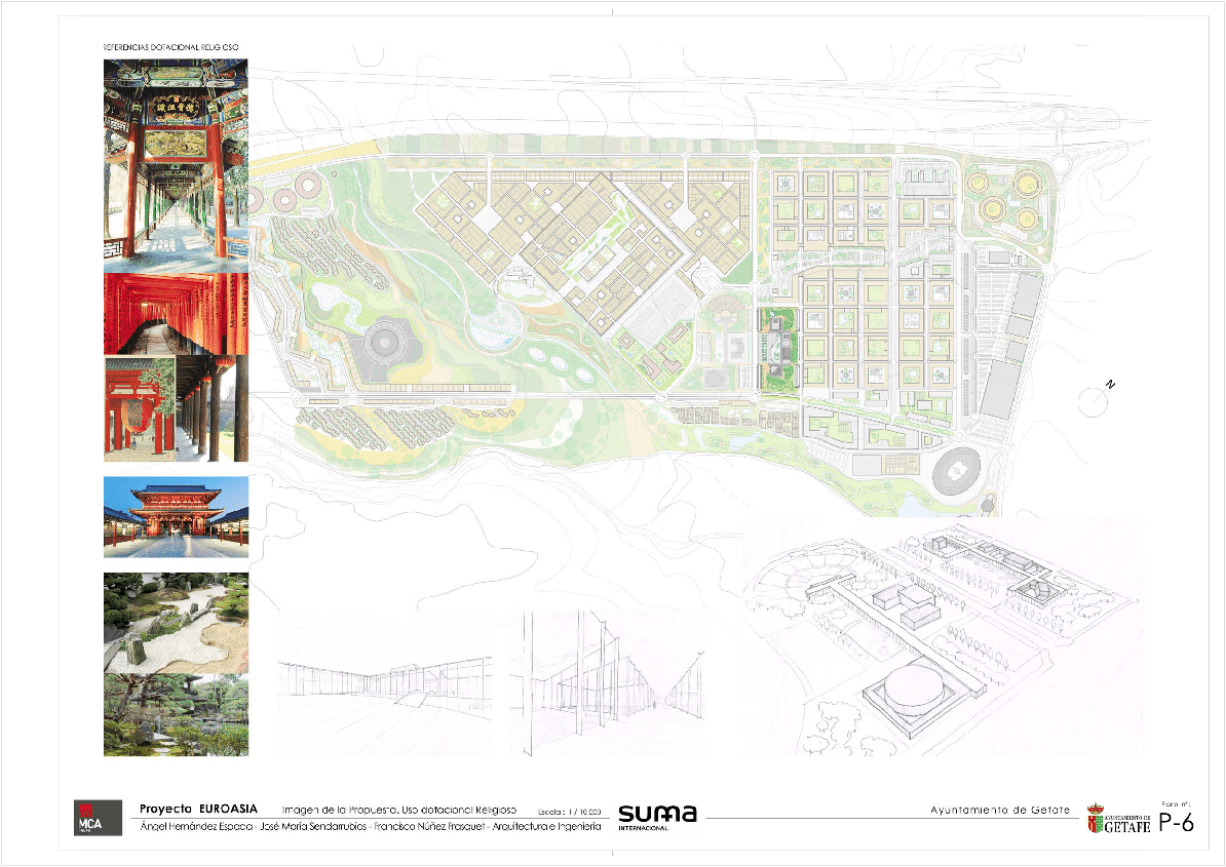
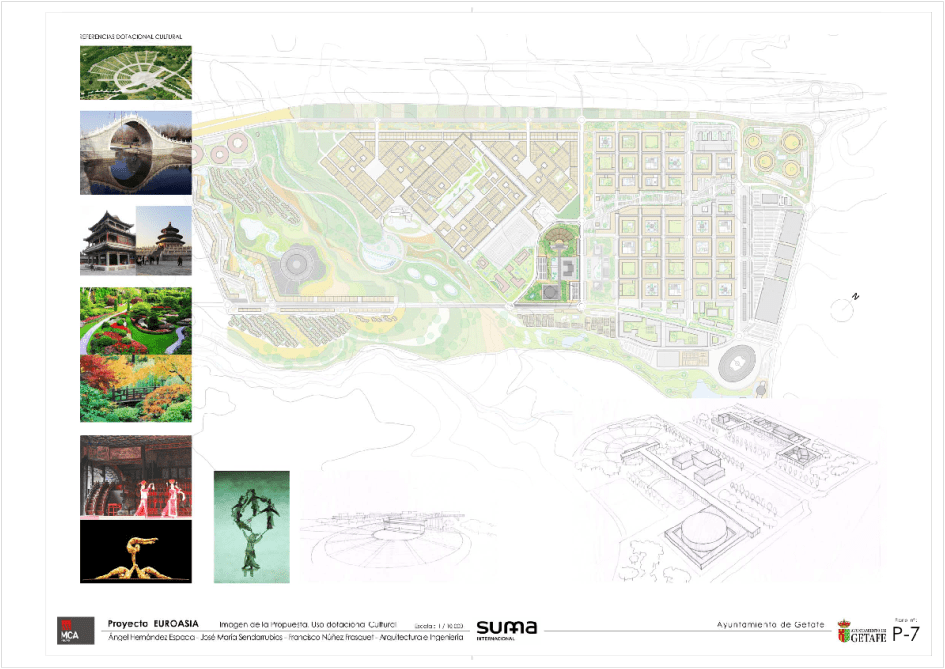
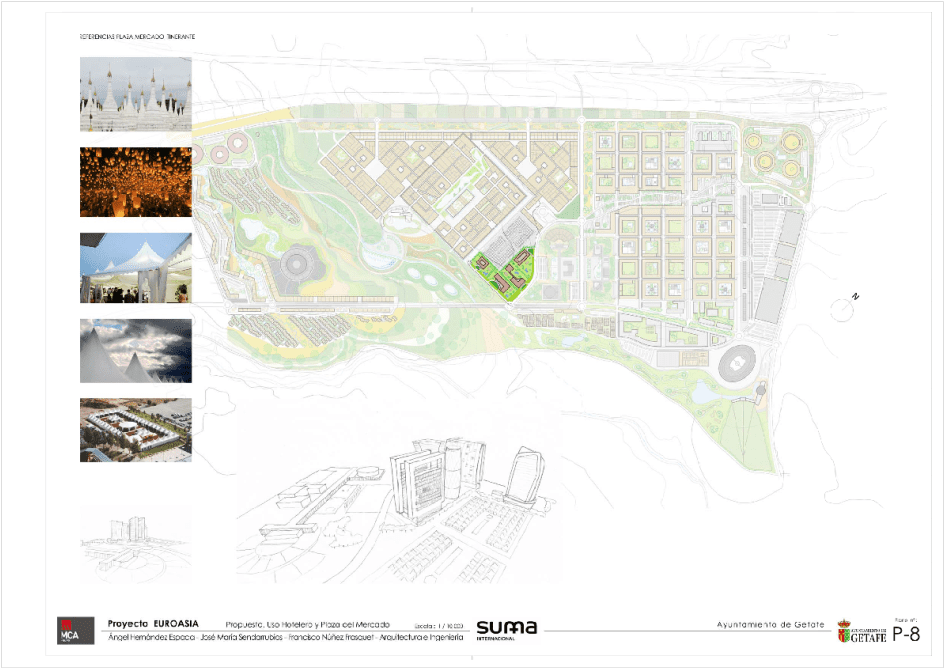
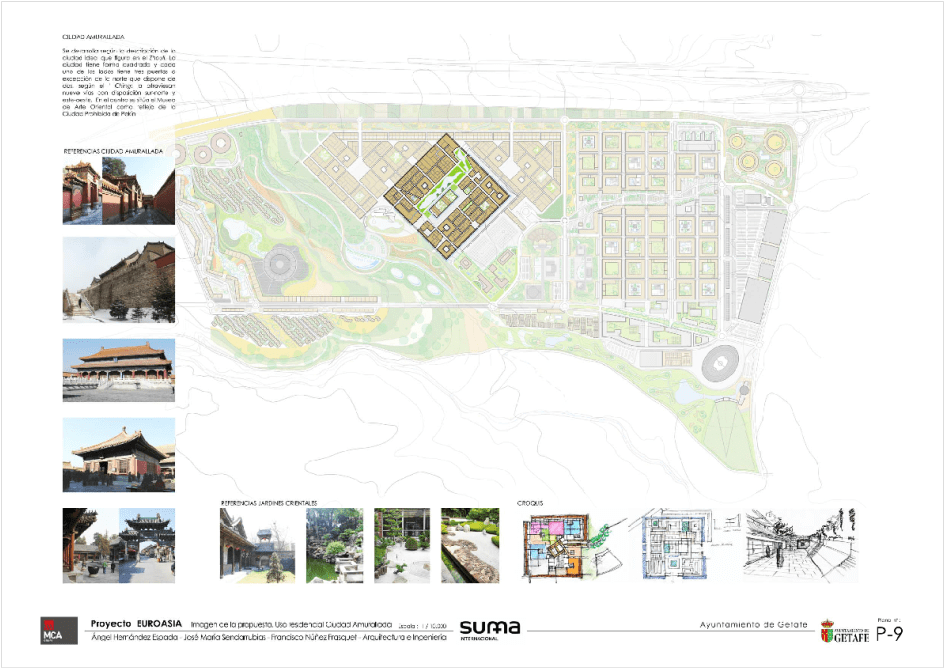
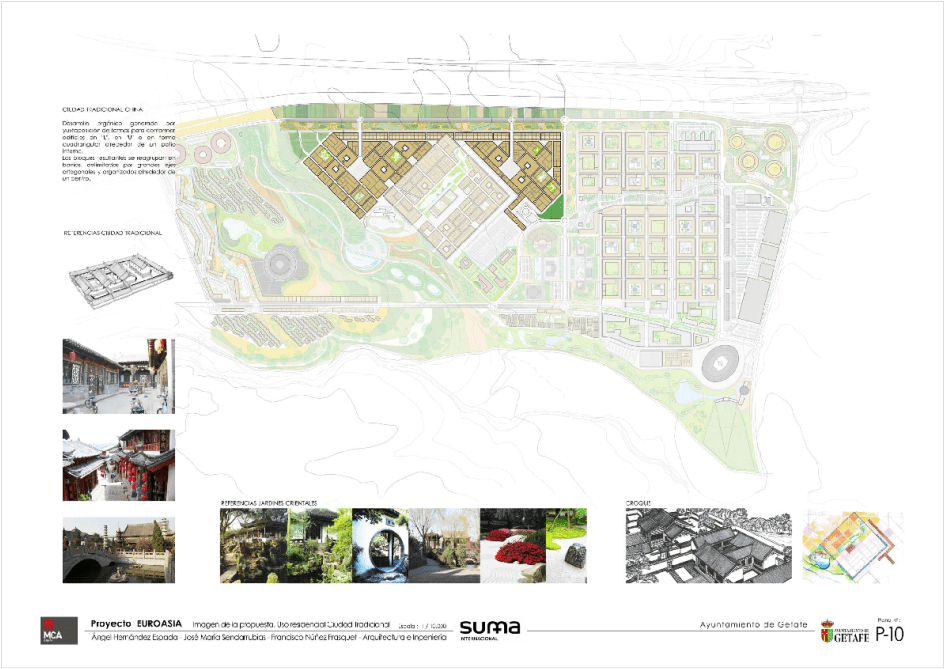
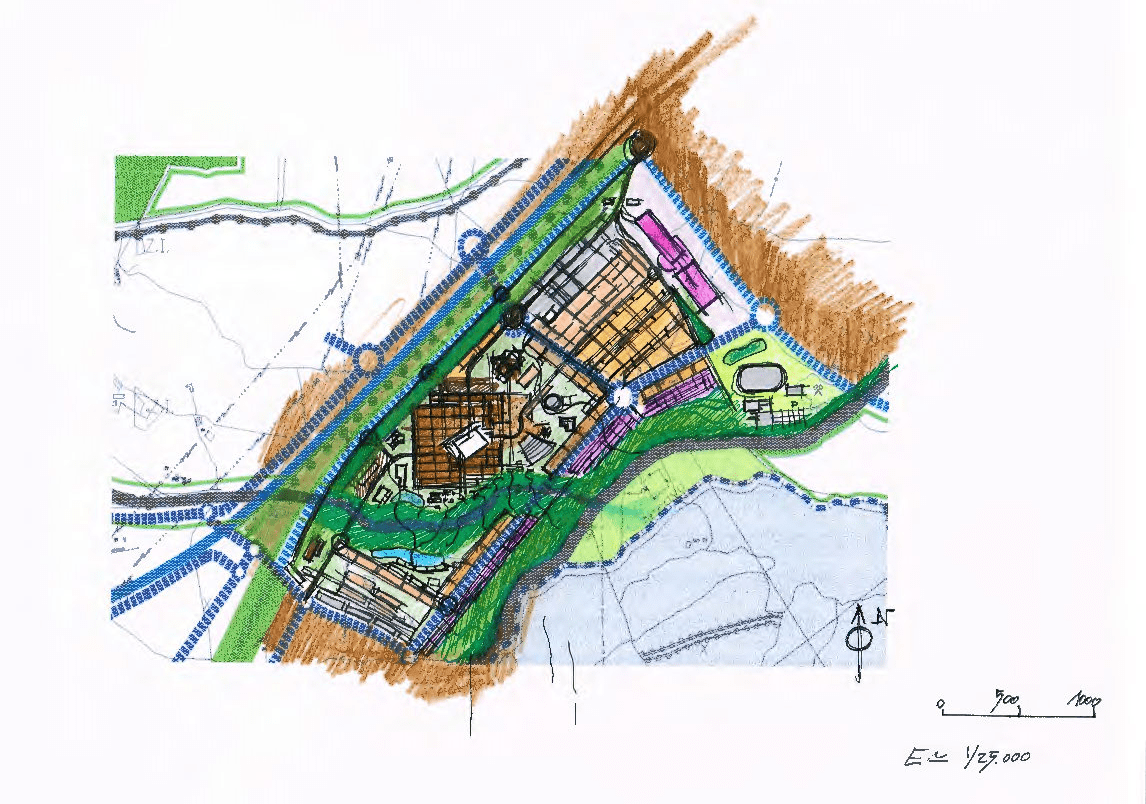
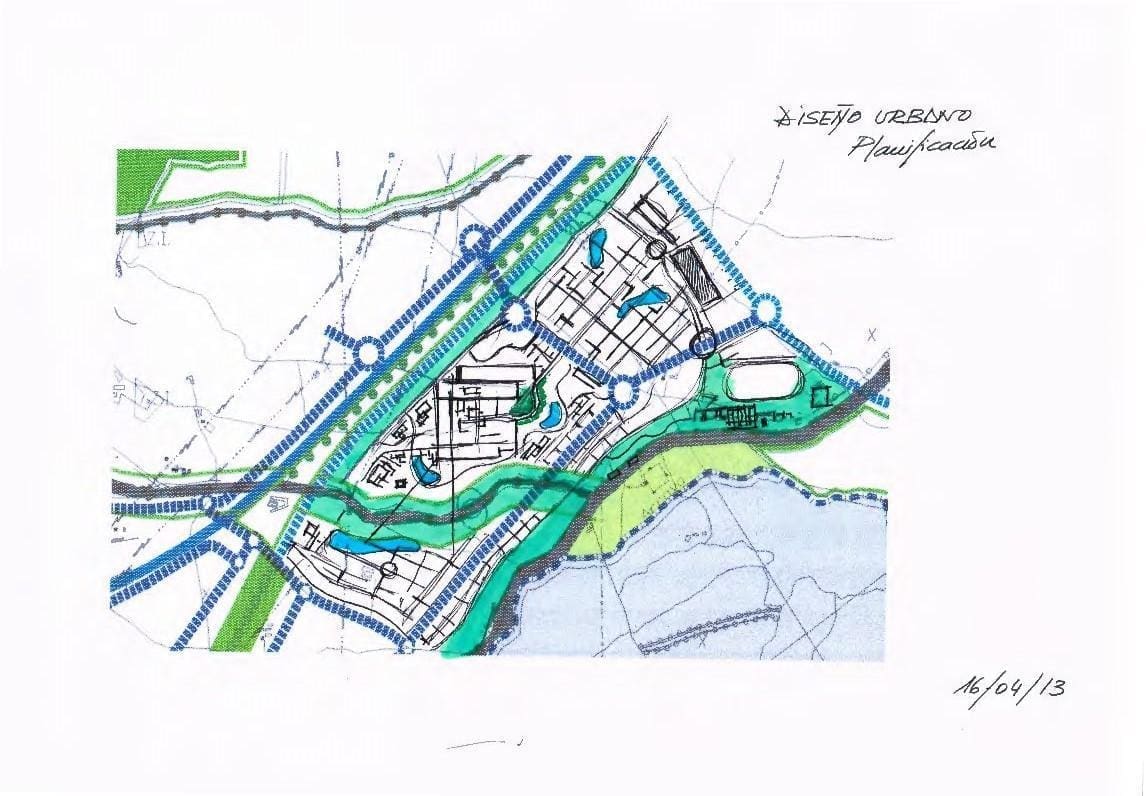
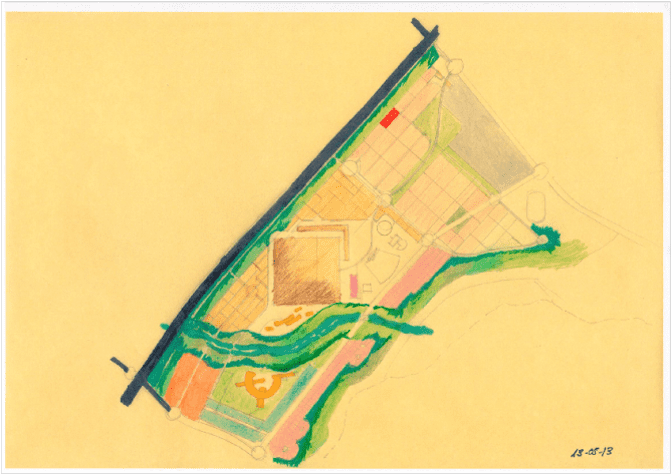
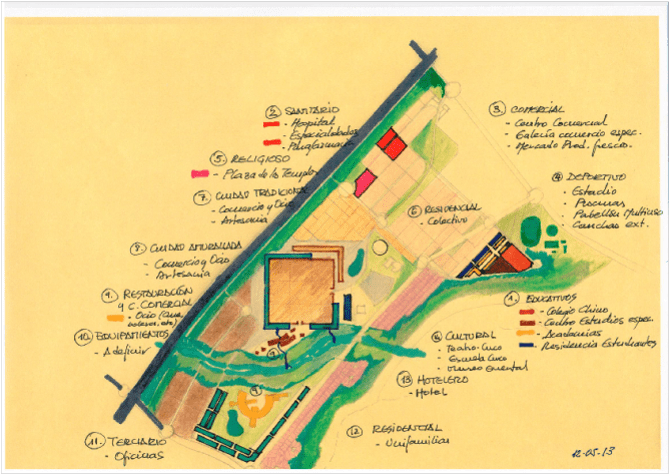
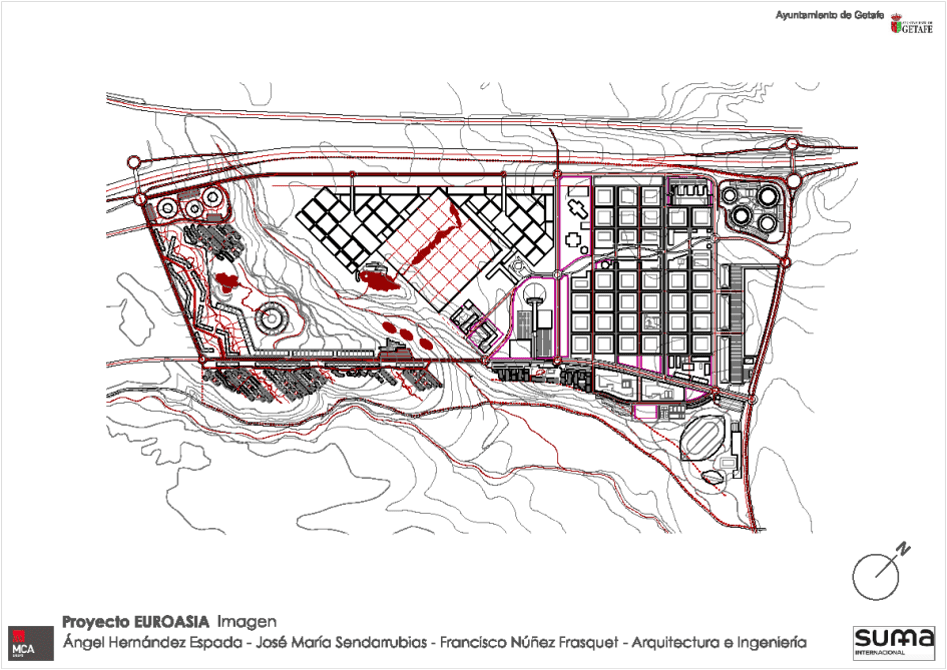
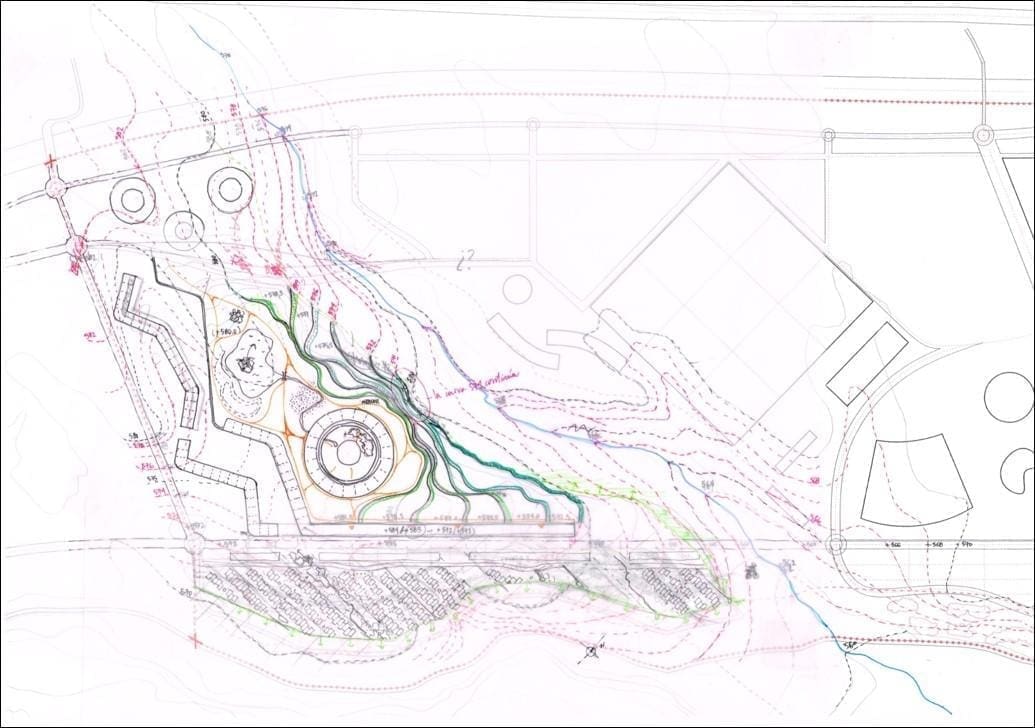
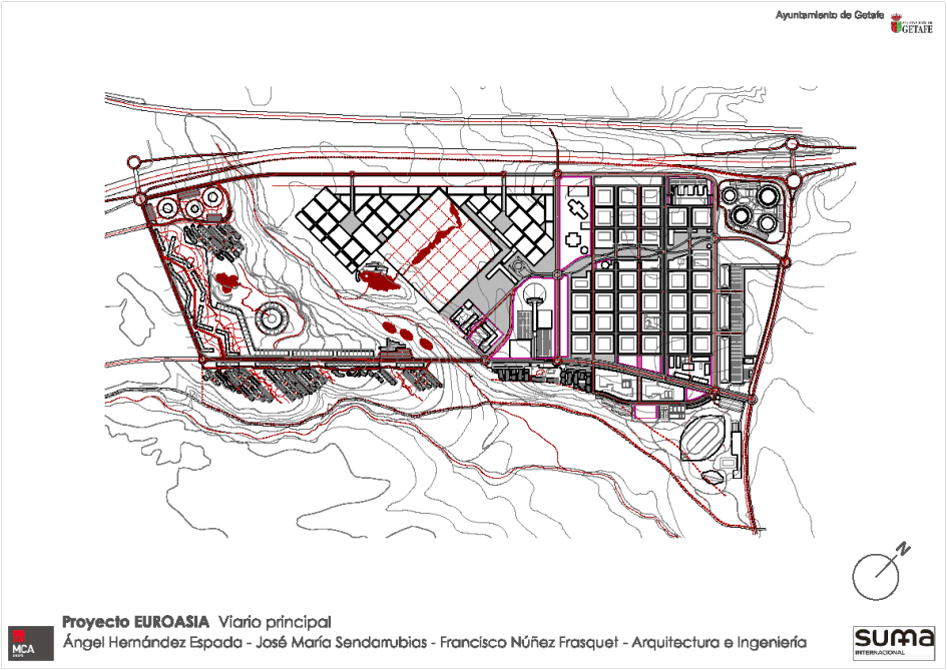
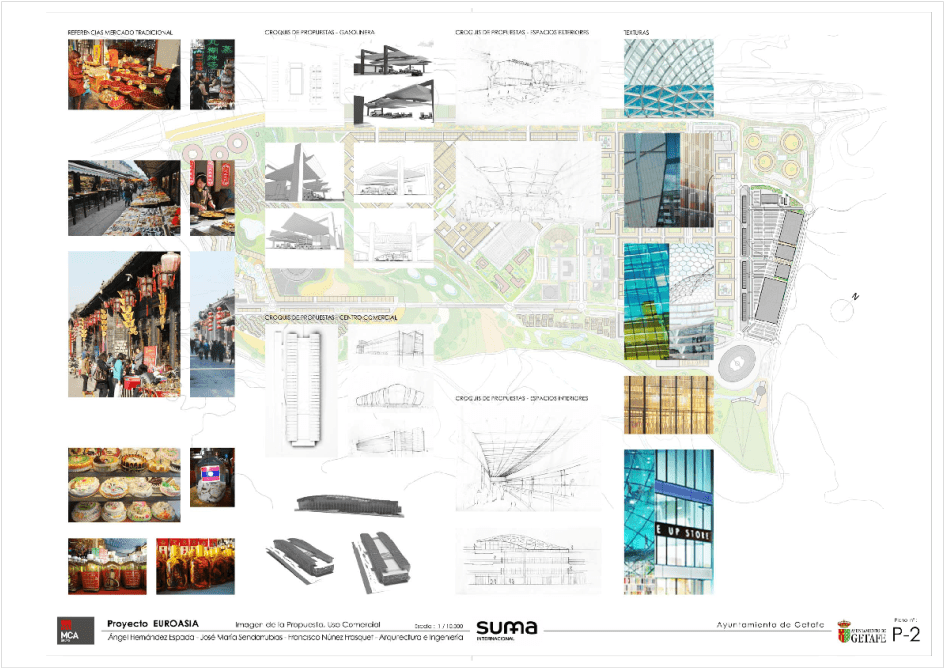
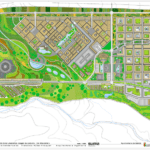
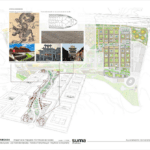
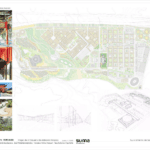
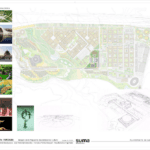
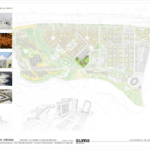
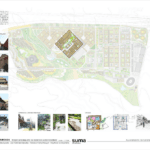
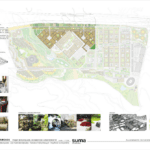
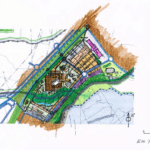
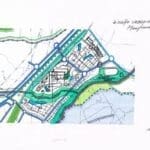
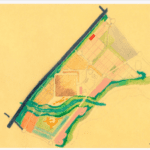
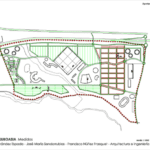
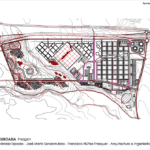
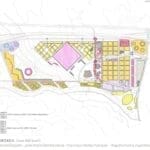
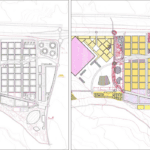
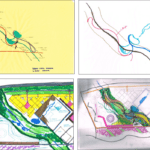
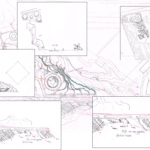
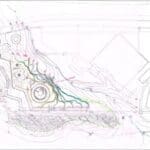
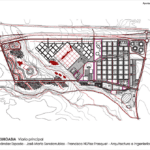
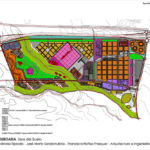
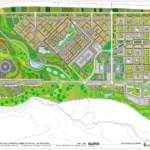
The project would initially be implemented in an extensive area, with a trapezoidal shape, extending for about 3 km along an expressway, with an average width of 1 km, and a total area of more than 300 ha.
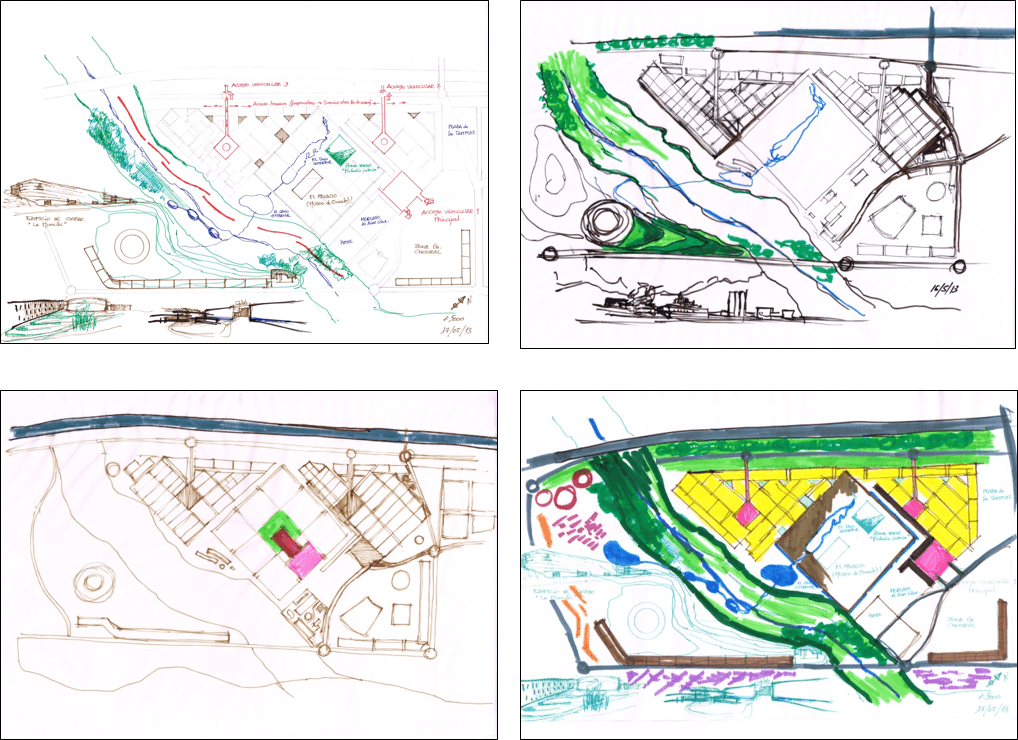
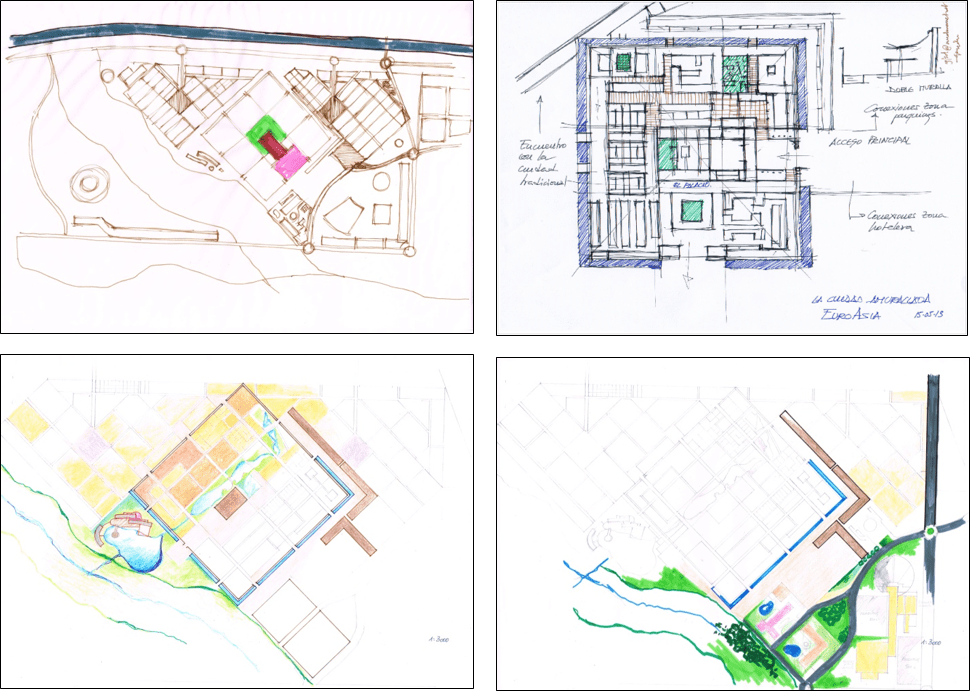
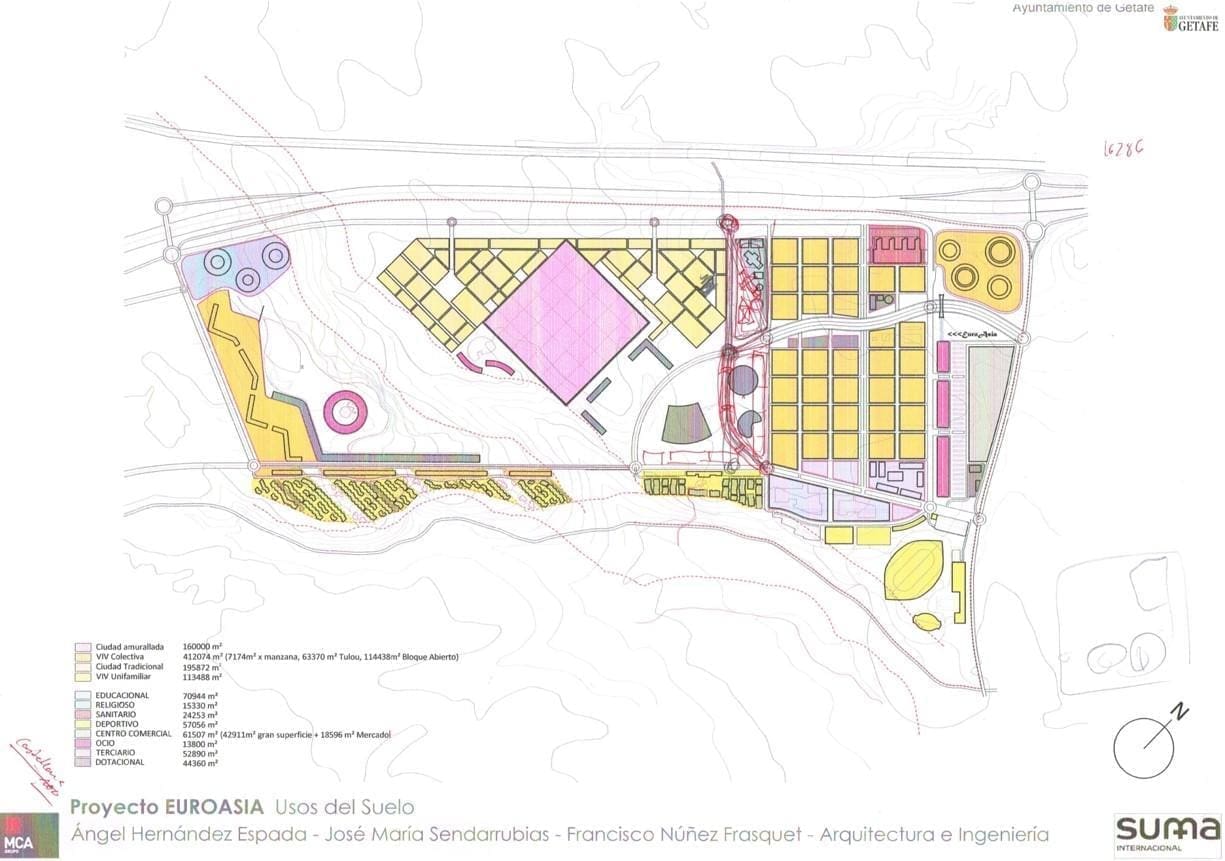
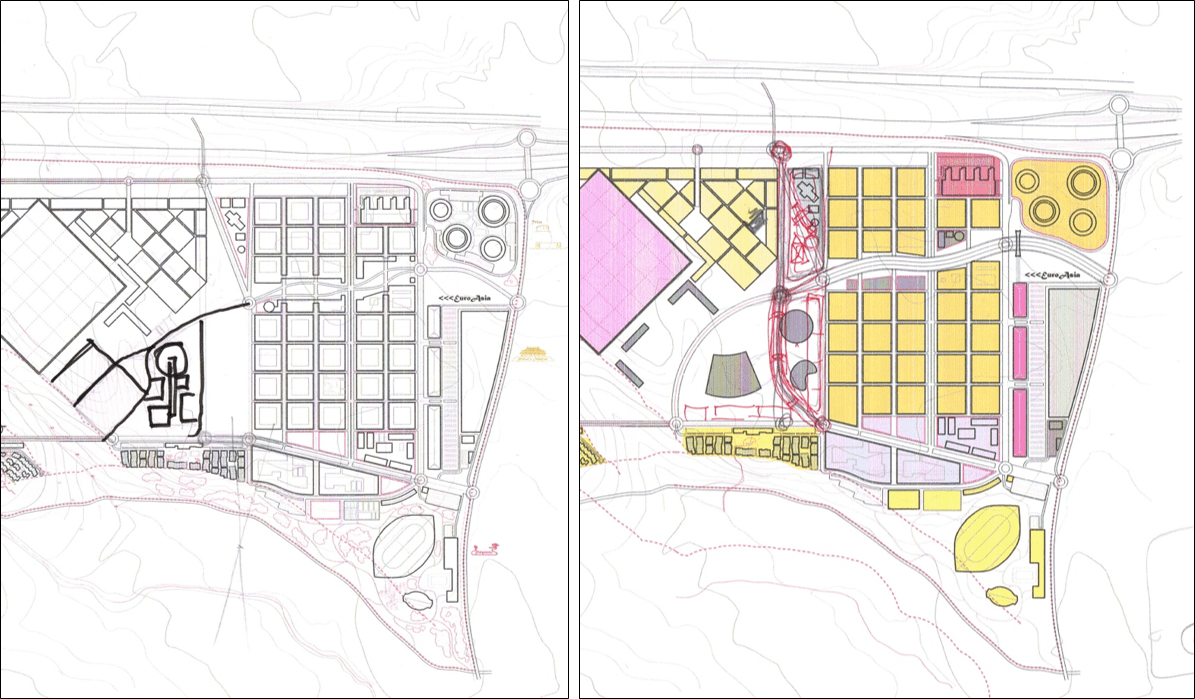
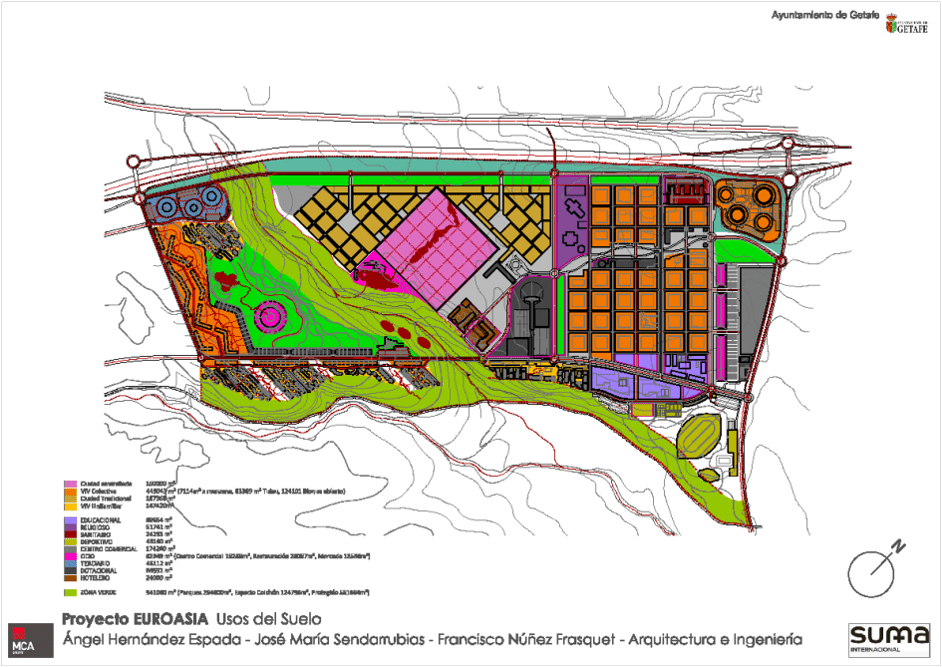
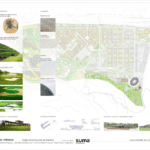
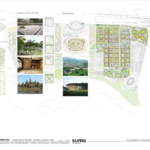
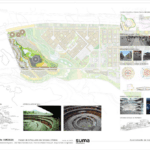
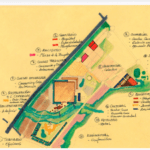
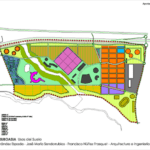
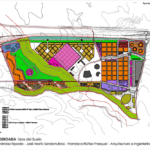
The proposal was based on seven major fundamental pieces that supported the development of this mini-city, in which the proposed uses were distributed:
The Thematic City (tertiary commercial, cultural and leisure uses): “The Thematic City desires to.