

Data
Building Typology
| TYPE OF CONSTRUCTION | CHARACTERISTICS |
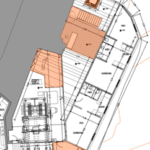
| TOTAL BUILT-UP AREA | 685,37 m2 |
| BOTTOM STATION | 229,40 m2 |
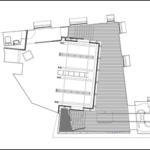
| UPPER STATION | 456,00 m2 |
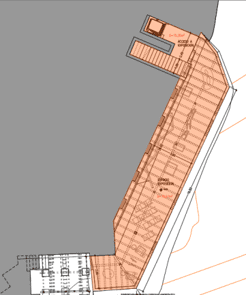
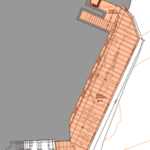
| TOTAL EXTERNAL SURFACE | 2.475,00 m2 |
| TRAMWAY PLATFORM | 2.175,00 m2 |
| EXTENDERS | 300,00 m2 |
Architects:
José M Sendarrubias Redondo (Architect Editor)
Ángel Hernández Espada (Architect Editor)
Design Team:
Alberto Arias Horas (Chief Project Architect)
Paz Hernández de Briones (Architect, urban design)
José Antonio Arias Horas (Architect)
Ana María Maroto de Hoyos (Architect)
Daniel Aragoneses López (Architect, CAD Specialist)
Julián Gibello Muñoz (Historian)
Ignacio César Sanz (Restoration Specialist, Fine Arts)
VALPARAÍSO ELEVATOR PROJECT. CHILE
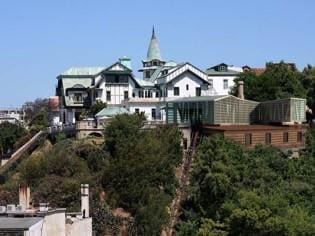
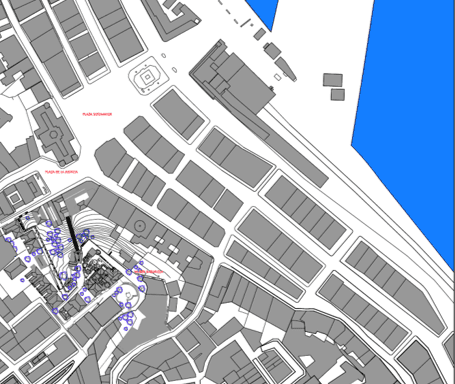
The project arose from the international competition for the “Integral Improvement of the El Peral Elevator, Architecture, Engineering, Mechanical and Electrical Systems”, located in the Cerro Alegre de Valparaíso (Chile) called by the Undersecretary of Regional and Administrative Development (SUBDERE), being awarded in January 2012, having started the project during February 2012.
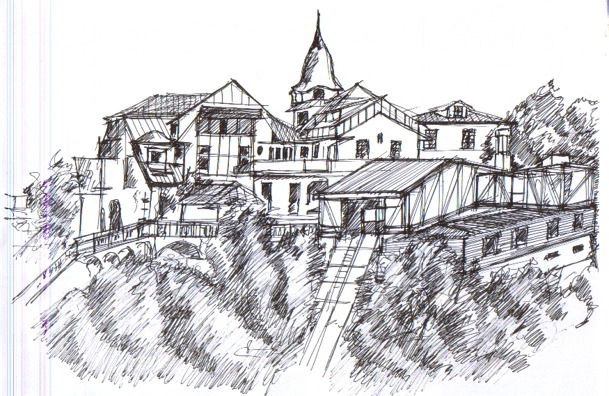
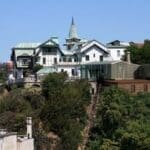
The proposal was developed in relation to the funicular system called Ascensor El Peral, a transportation system of the Municipality of Valparaíso, a World Heritage City. This funicular, declared a National Monument, was in operation at the time but in a very precarious state.
The bidding conditions summarized the requirements of the project in terms of its scope and conditions, its maximum deadlines and the partial delivery and product schedule, the fundamental criteria and objectives for future actions and the reference of the basic technical and historical background of the project.
From the beginning we considered that the project was contextualized within a framework of great complexity related to the situation of the existing Heritage Assets in Valparaíso, and the problems derived from their condition and the trends in the actions and interventions that had been carried out, the application of standardized models or the imitation of the same,
However, we understood the opportunity of intervening in a system such as the El Peral Elevator, of great relevance both in terms of heritage, as a transportation system and urban landmark, being able to revert these precarious or harmful situations.
From this first approach it was necessary to set the fundamental strategic objectives for the development of the project:
- To propose integral and unitary solutions that harmonize the different levels of intervention with each other and with the environment, relating the new with the old or pre-existing, as well as with its own immediate surroundings and the general environment.
- Improve the conditions of accessibility, habitability and operability of the system and its elements.
- Ensure the operability and safety of the transport system and its facilities.
- Enhancing the value of the historical and heritage elements of the system and its buildings, as well as the original installations and mechanisms, of great heritage value, improving their prominence in the whole.
To carry out a proposal of high design quality, intervening with contemporaneity and with a clear vision of the future in terms of standards, materials and technology, as an opportunity to bear witness for future generations.
- The areas and zones of action, were subdivided into:
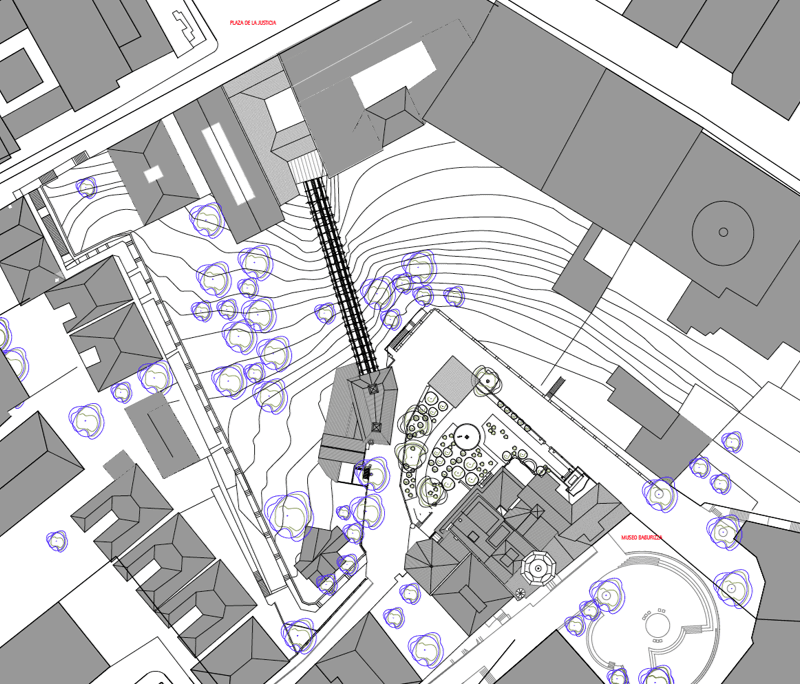
- Lower station and immediate surroundings.
Upper station, buildings and immediate surroundings.
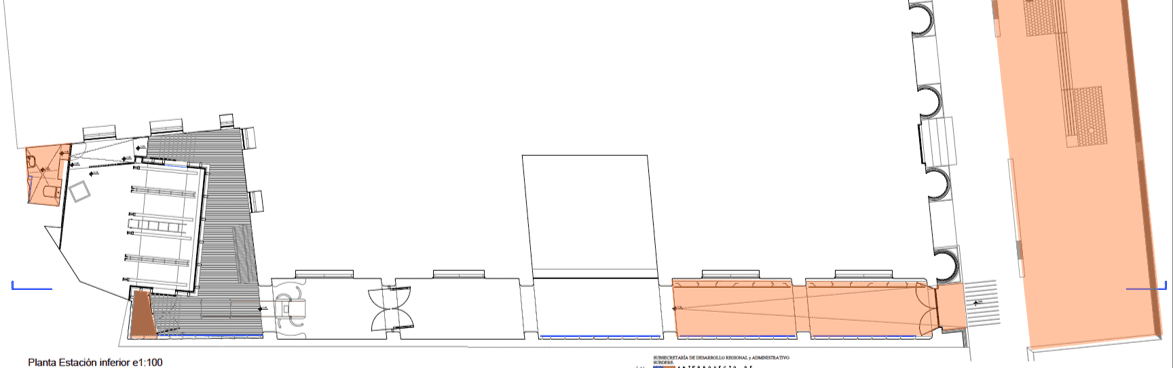
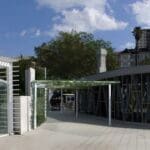
For the lower station, the proposal did not modify its functionality, maintaining the original use, the existing formal structure and making only some adjustments regarding the relocation of some services to adapt them to the current standards of use.
The planned actions were:
- Improvement of the environmental conditions of the urban space immediately adjacent to the access through the Plaza de la Justicia.
- Renovation of the facilities and finishes of the access corridor, maintaining all the elements of heritage value, lathe, grating, formal structure.
- Execution of a new cladding towards the inclined plane with the canopy of protection, incorporating elements of rest and solving the problems of arrival and exit of carts and evacuation of rainwater in the pit of carts.
- Renovation of the toilet and the collector’s room, providing them with a language and finishes and installations in accordance with the intervention.
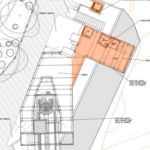
As in the case of the Lower Station, the proposal for the Upper Station maintained the criteria of preservation of historic functional structures, incorporating alternatives compatible with the historic and existing uses, which would improve not only the building itself, but also the entire environment and enable an improvement and optimization for the future management and operation of the complex.
The planned actions were:
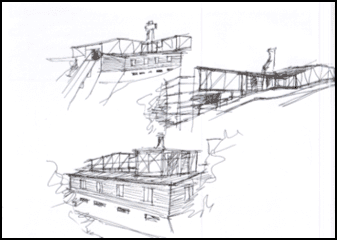
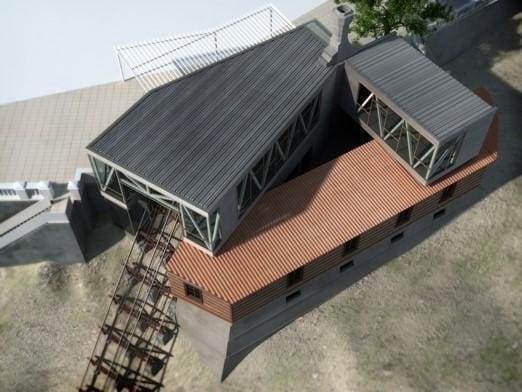
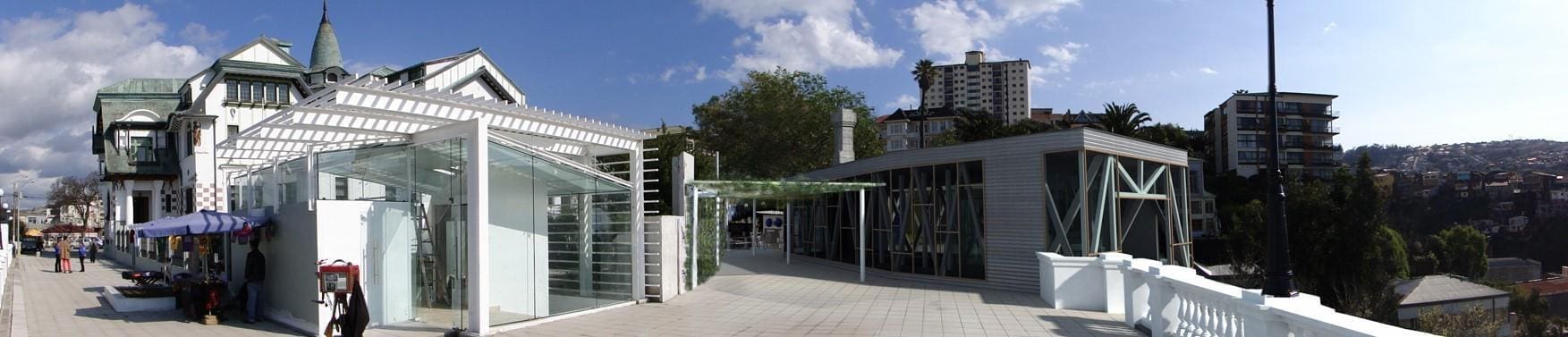
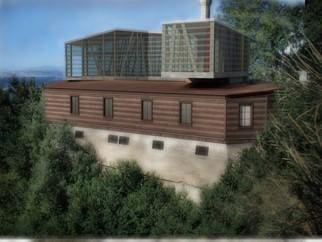
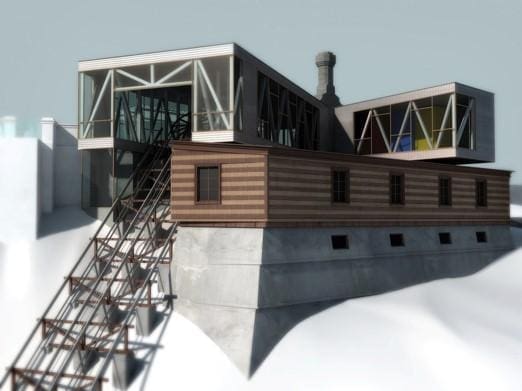
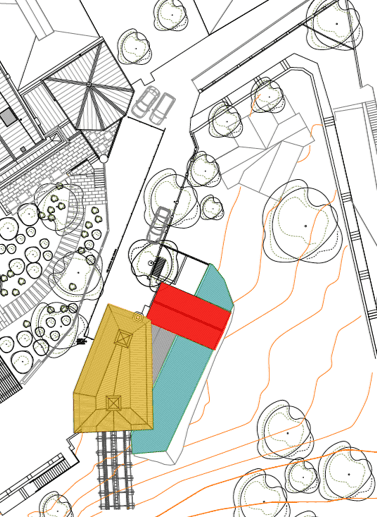
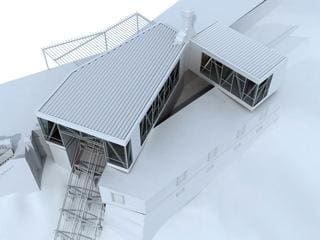
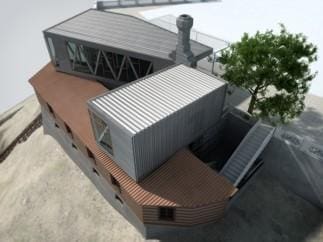
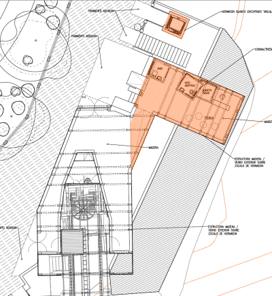
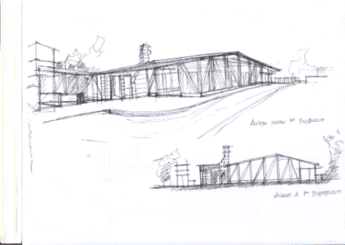
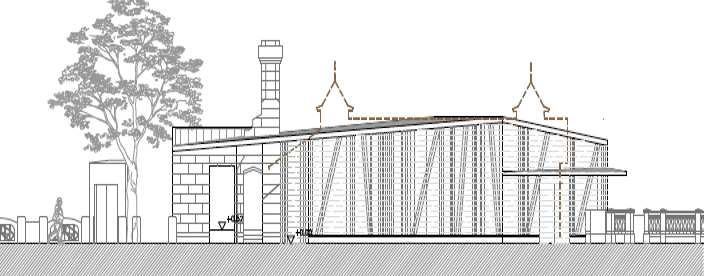
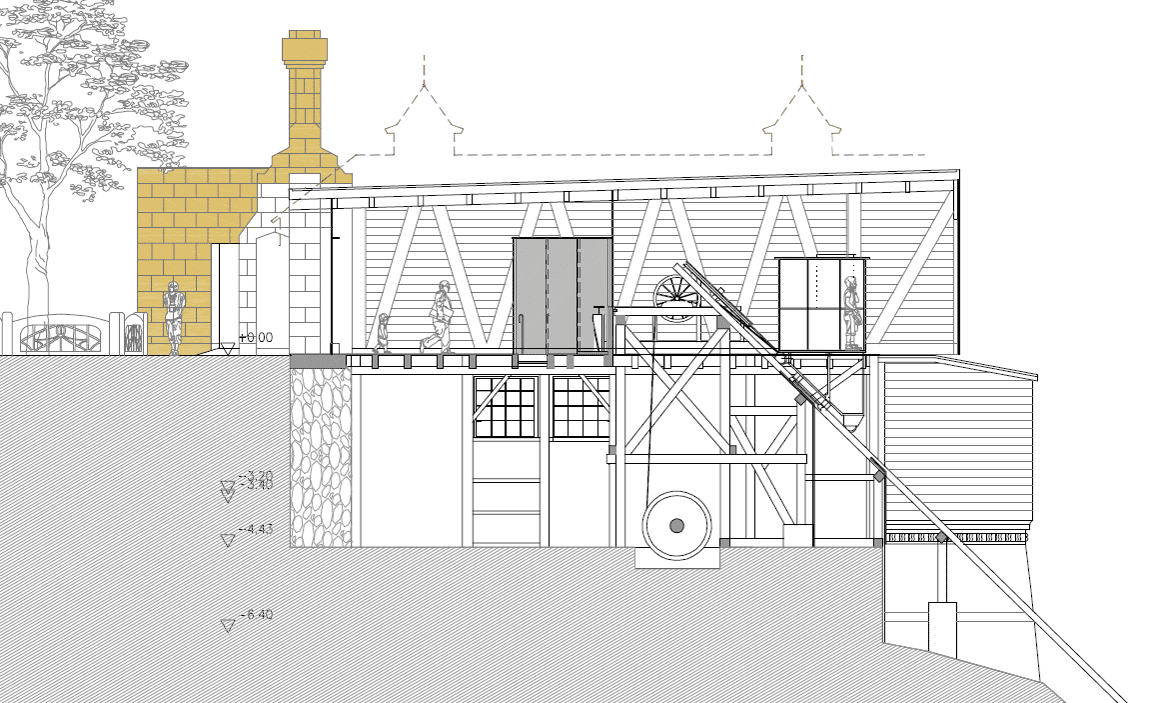
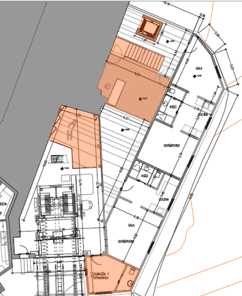
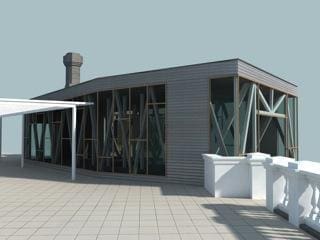
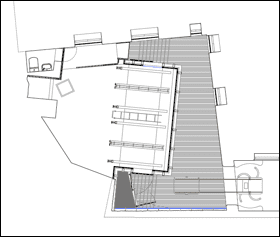
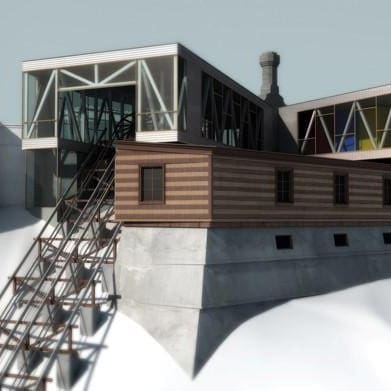
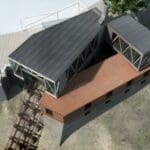
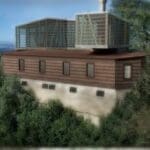
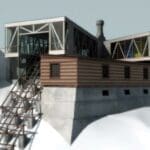
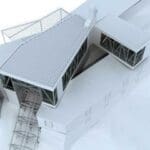
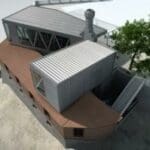
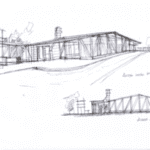
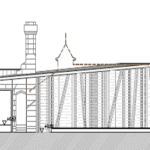
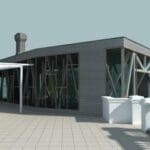
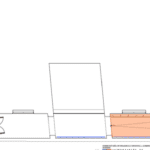
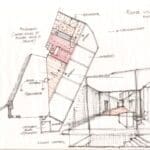
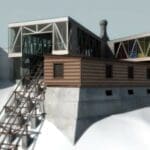
- The modification of the architectural expression of the passenger arrival and departure building, and its replacement by a new building, maintaining the current use.
- The new uses to be incorporated were: public toilet, freight elevator, viewing terrace and souvenir store.
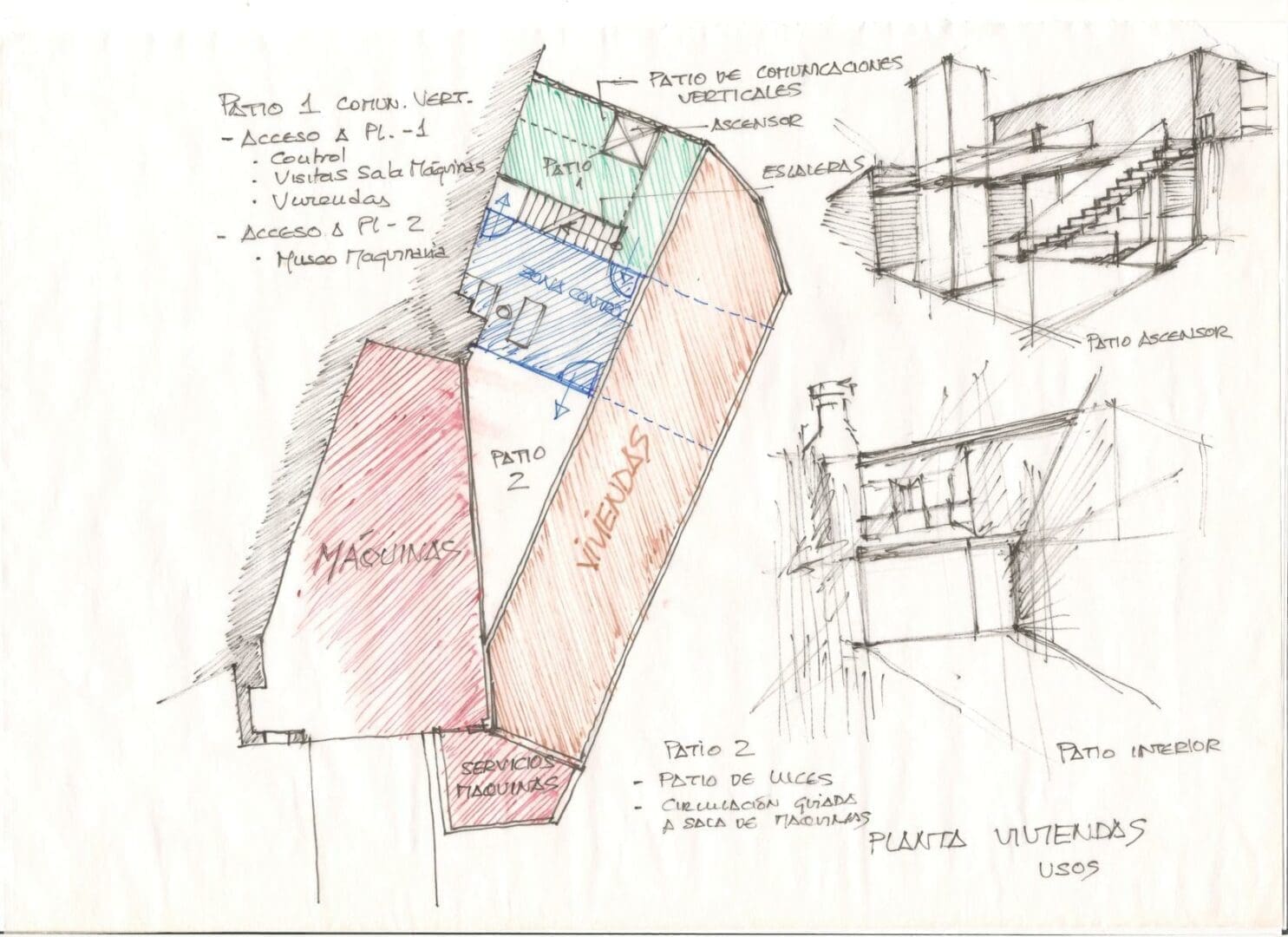
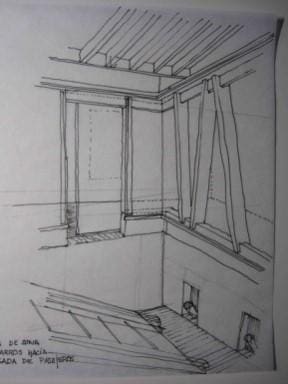
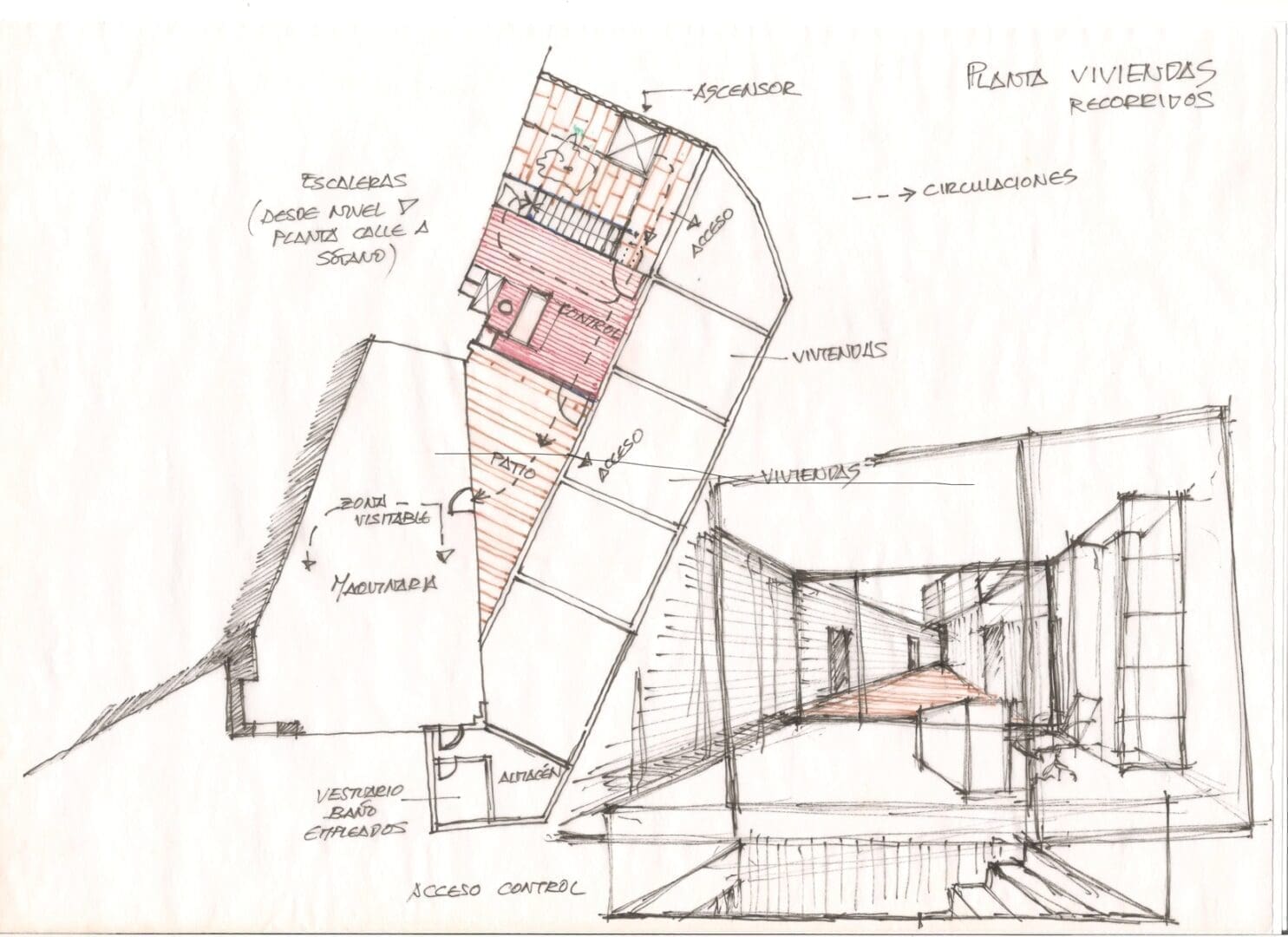
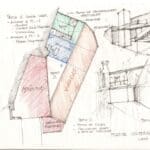
- The implementation of new vertical communications, through the provision of stairs that would go down in two flights to the 2nd floor. These new stairs would be located in the adjoining courtyard where the old access staircase to the apartments was, which would be demolished, changing its position, development and materiality.
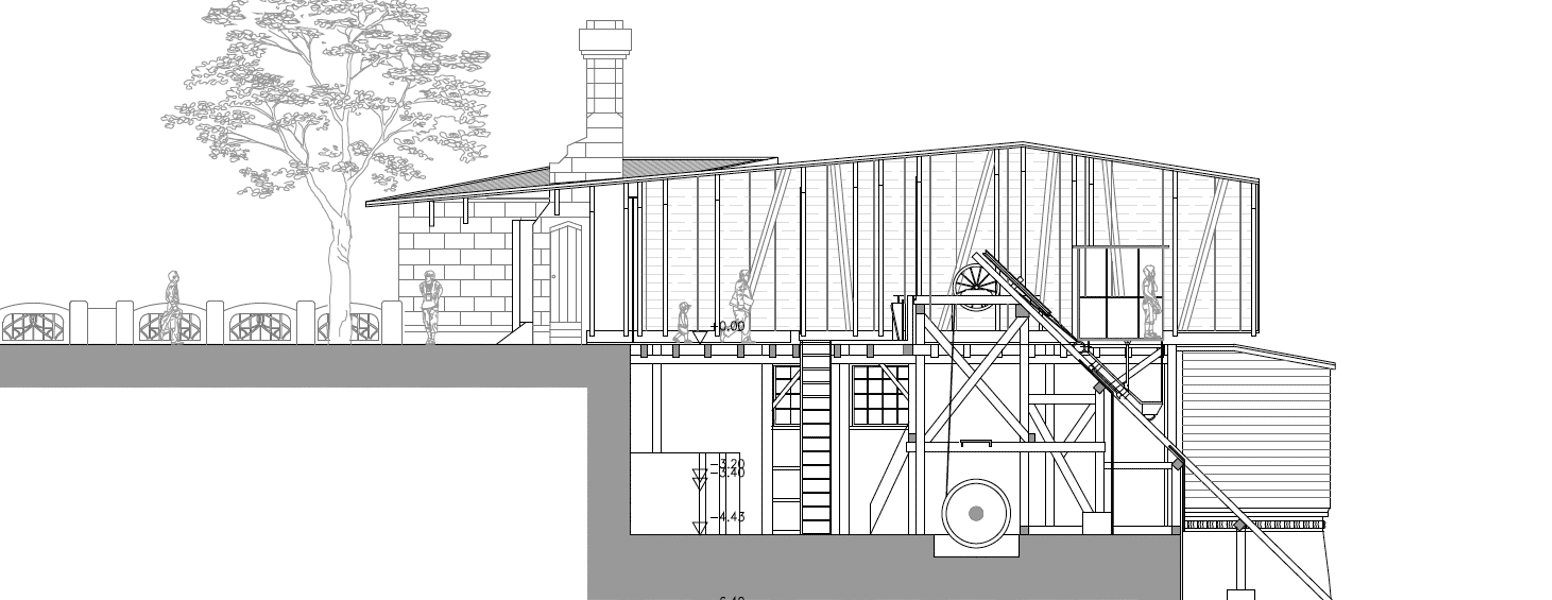
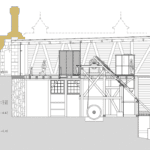
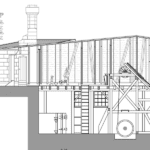
- The improvement of the accessibility conditions for the operators to the machine room, through the incorporation of a new access ladder integrated in the machinery handling room.
- The protection of the machinery from inclement weather, through the provision of transparent glass enclosures towards the inclined plane and the rail support structures.
- The incorporation of new accesses to the museum area projected on floor -1 and to the housing projected on floor -2.
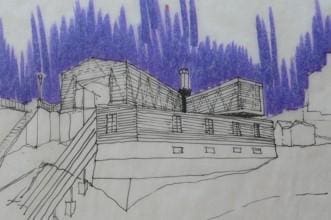
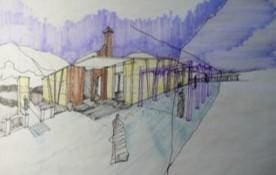
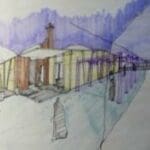
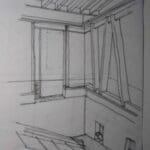
The general proposal put forward for the Upper Station involved a clear intervention with respect to its initial situation, which was intended to materialize through the implementation of architectures with a clear language of modernity, understood in themselves as innovative and contemporary objects, but with a certain character of neutrality and great transparency, so as to facilitate the enhancement of the intrinsic heritage elements, avoiding entering into competition with the historic buildings to be preserved and facilitating the unitary reading of the whole.
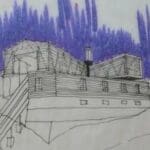
The lack of specific historical references meant that the solution proposed was a contemporary conceptual reinterpretation of the image that we understood to be original in the building, as derived from the historical documentation analyzed. As expressed for the lower station, the language to be used would make the intervention and the time in which it occurred identifiable, avoiding imitations and falsifications (“historical fakes”).